 Lawn Care Automation Lawn Care Automation
🌾 ZIPPY LAWN CARE REPORT · free · from the same map as your robot mower
Get your free, printable Zippy Lawn Care Report. Map your lawn, mark the trouble spots, answer three questions — and get what to do, in what order: the seed, the feeding, the windows for your grass, your climate and your state, a free visual soil check from your photos (preliminary), and the mowing plan. Share it with anyone; it's the starting point for the conversation about your lawn.
✓ Free ✓ Nothing to install ✓ No account until your report is ready
Just want the seed number first? The free grass seed calculator, no login → Then map it and the report re-figures on your real square footage.
Start with what you see
The ten things people ask about most, in the order they ask. Each tap sets an answer in your report — and the report is honest about what a tap can't tell.
Photos: NY State IPM Program at Cornell University, CC BY 2.0 (Wikimedia Commons) · Scot Nelson, CC0 (Wikimedia Commons) — fairy rings on a golf green · Carapulov, CC BY 4.0 (Wikimedia Commons) · Eckehartl, CC BY-SA 3.0 (Wikimedia Commons)
Your first draft
That's the outline. The report puts the numbers on it — seed by the pound off your map, the feeding calendar for your grass and state, the windows for your climate, advice for every spot you mark, and the mowing plan.
Daily mowing and micro-clippings, mowing, fertilization, weed control, grass health — every guide we've written, in plain English. Each one ends at your report.
 Daily mowing & micro-clippings How often should a robot mower mow? It depends on the growth stage. The whole year, and the tool that builds your lawn's rhythm. Read →
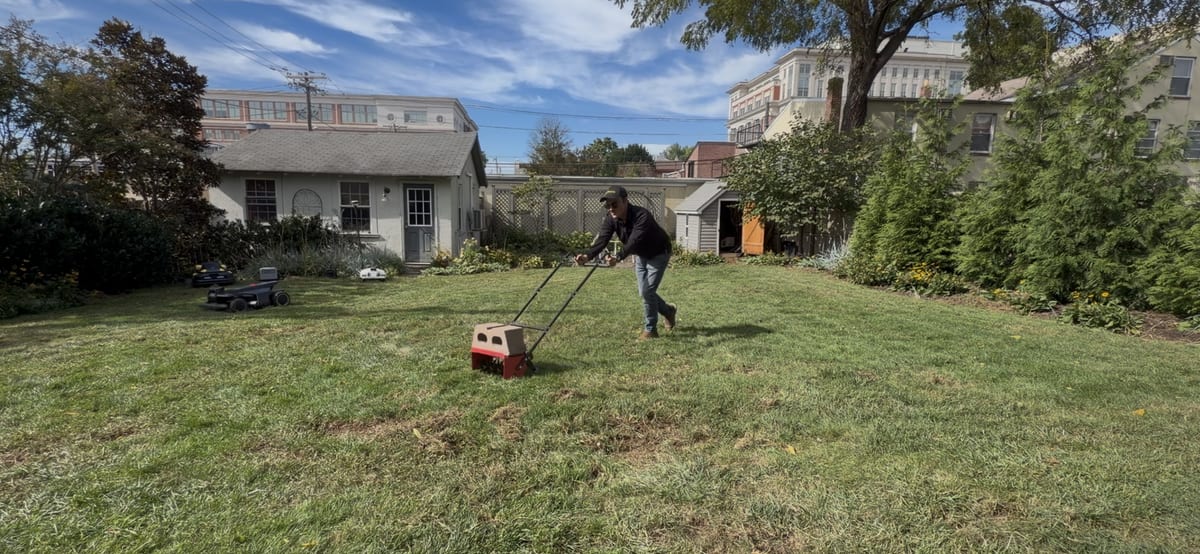
 Daily mowing & micro-clippings Mowing new grass and sod with a robot When the first mow is, how high, and the ramp from once a week to the robot's rhythm. Read →
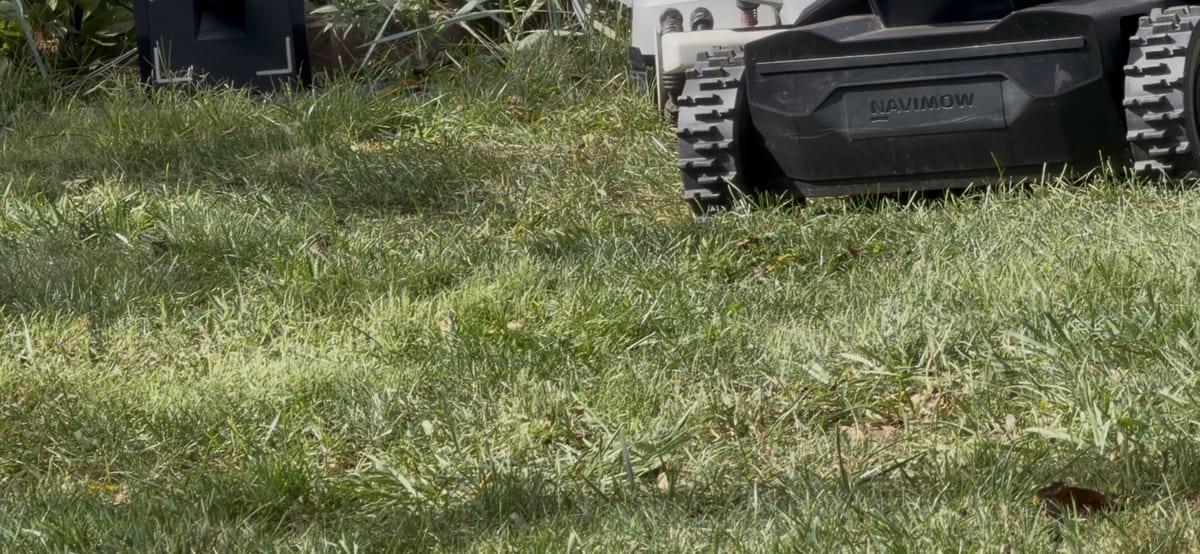
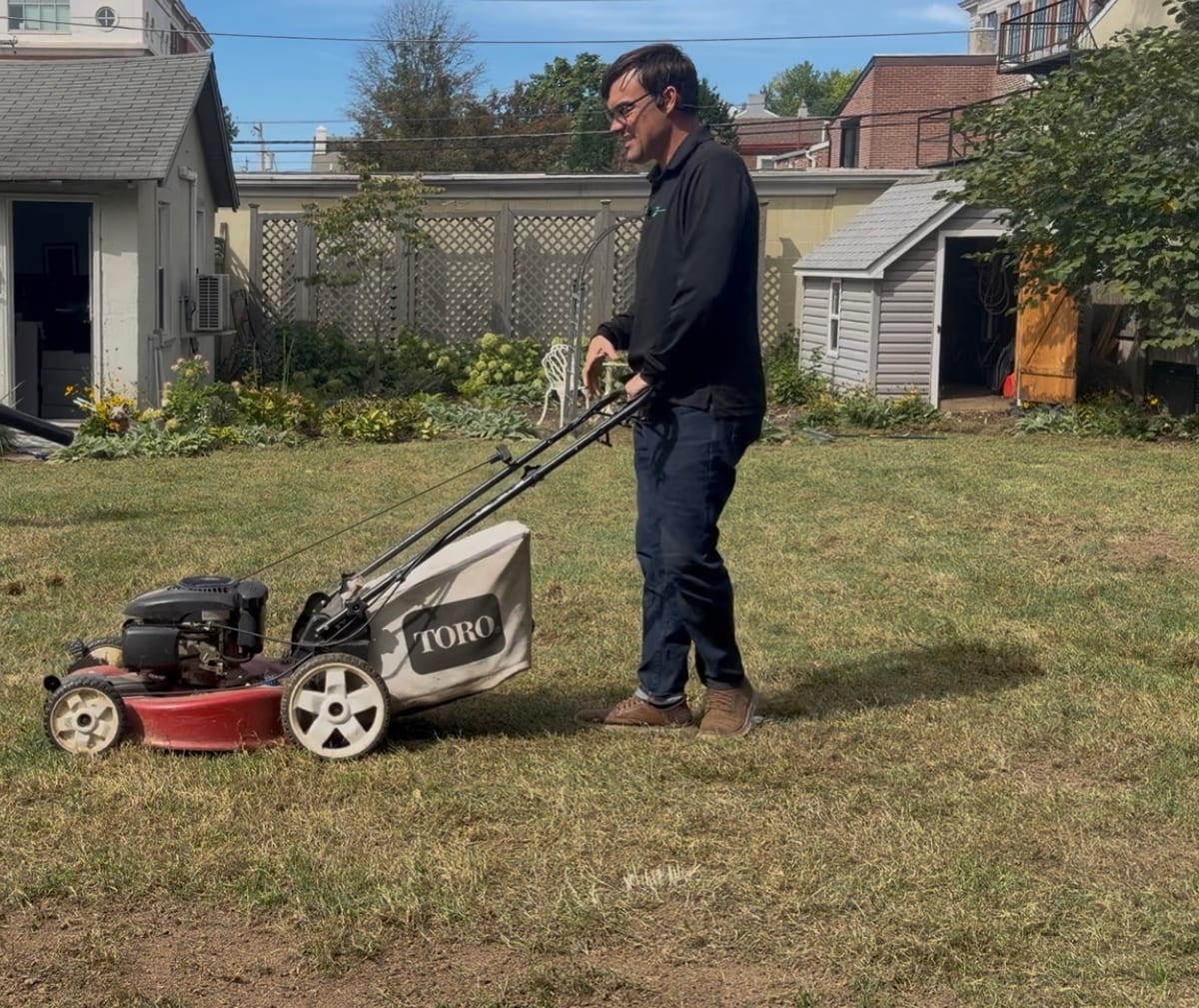 Mowing Why Does My Lawn Look Brown After Mowing? The ⅓ Rule and Blades White, frayed tips a day after mowing aren't disease — they're dull blades. The ⅓ rule, the right height for your grass, and the two-minute fix. Read →
 Mowing The schedule by season Month by month: the height, how often the robot runs, and what else the lawn wants that month. Read → Fertilization Why Is My Lawn Yellow? What Fertilizer Your Lawn Actually Needs Yellow all over, in patches or in stripes: three different problems. Read the color, decode the bag's numbers, feed by season, and the $15 test that beats guessing. Read →
 Fertilization Synthetic fertilizer vs. building soil Spray-on feed is rent; organic matter is ownership. Cost per year, runoff and results for a ¼-acre lawn. Read →
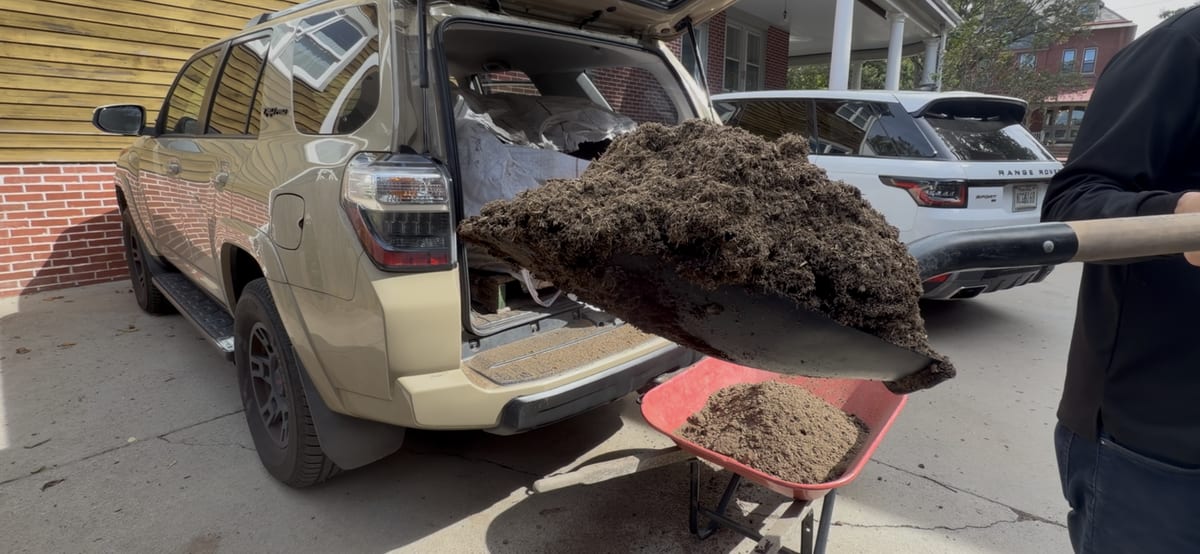
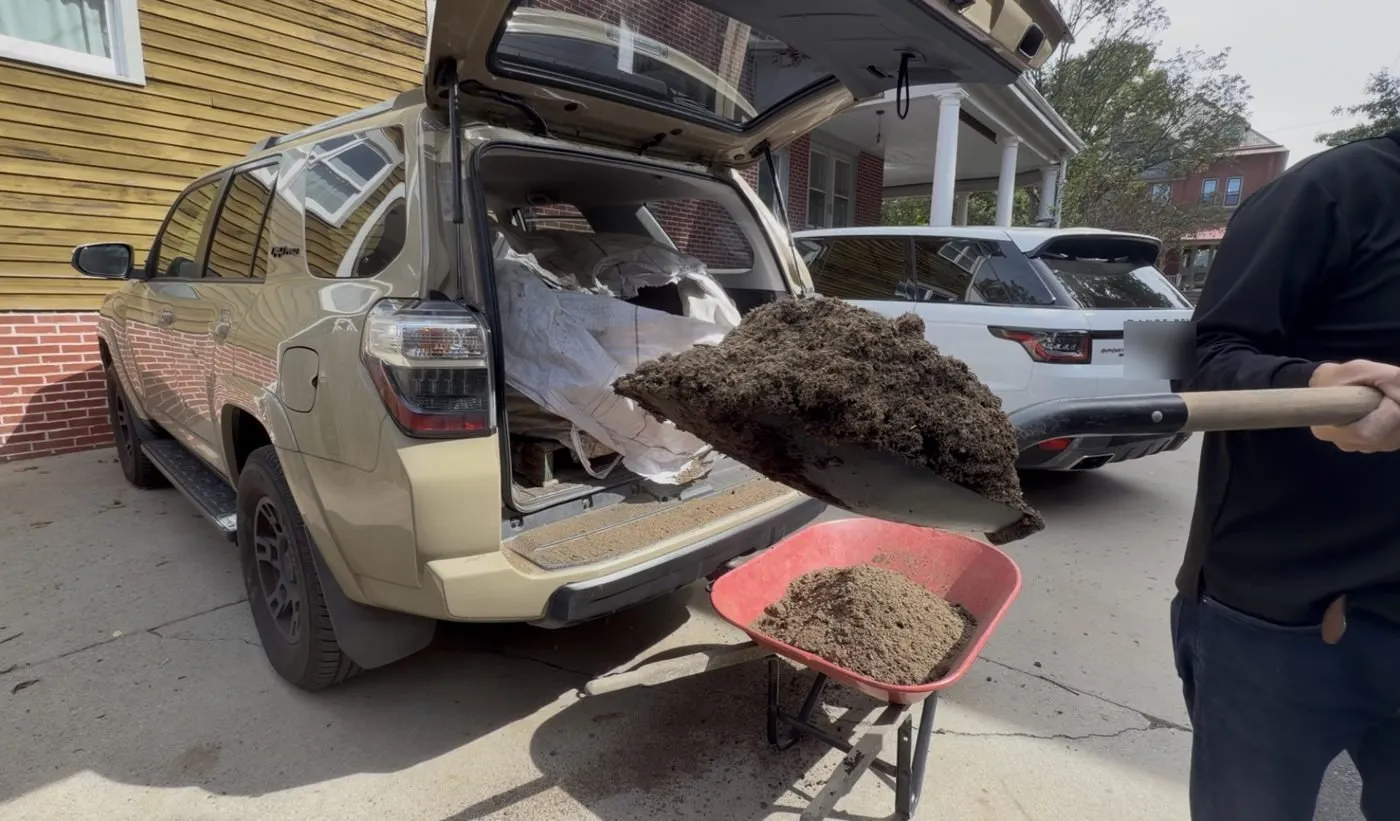 Fertilization · local Organic Lawn Builder compost Certified-organic, Penn State lab-tested, feeds 2–3 years. Delivered within 30 miles of Kennett Square, PA. Read →
 Fertilization How much seed and fertilizer for your square footage? Seed by the pound and feedings by the year, for your grass and goal — typed, or off your map. Read → Weed control Daily mowing kills weeds Weeds that seed above the cut can't reseed, broadleaf weeds lose to thriving grass, and a crabgrass patch dies in a zone cut under an inch daily. Read →
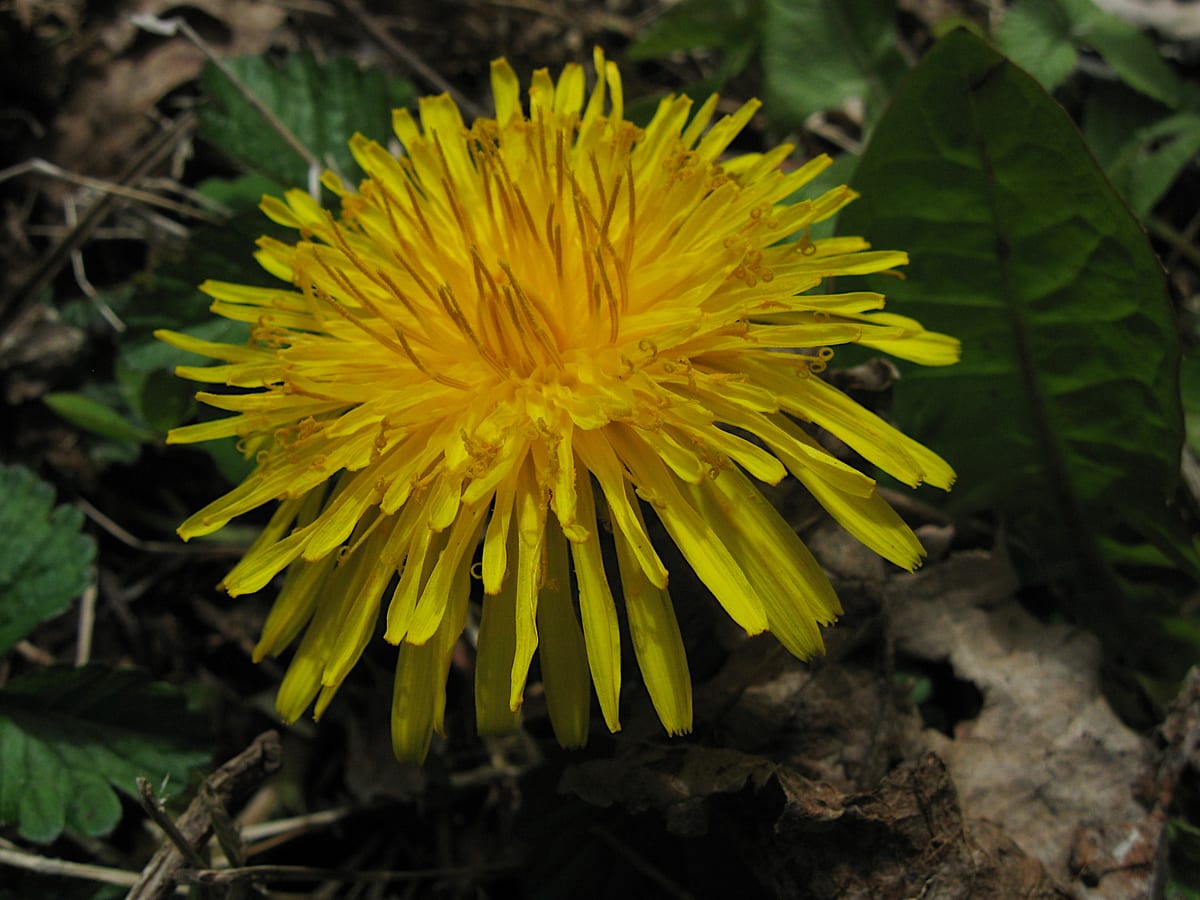 Weed control What Kind of Weed Is This, and How Do I Get Rid of It? Tell a broadleaf weed from a grassy one in ten seconds, what each says about your lawn, the fix that holds, and why a robot's daily cut is half of weed control. Read →
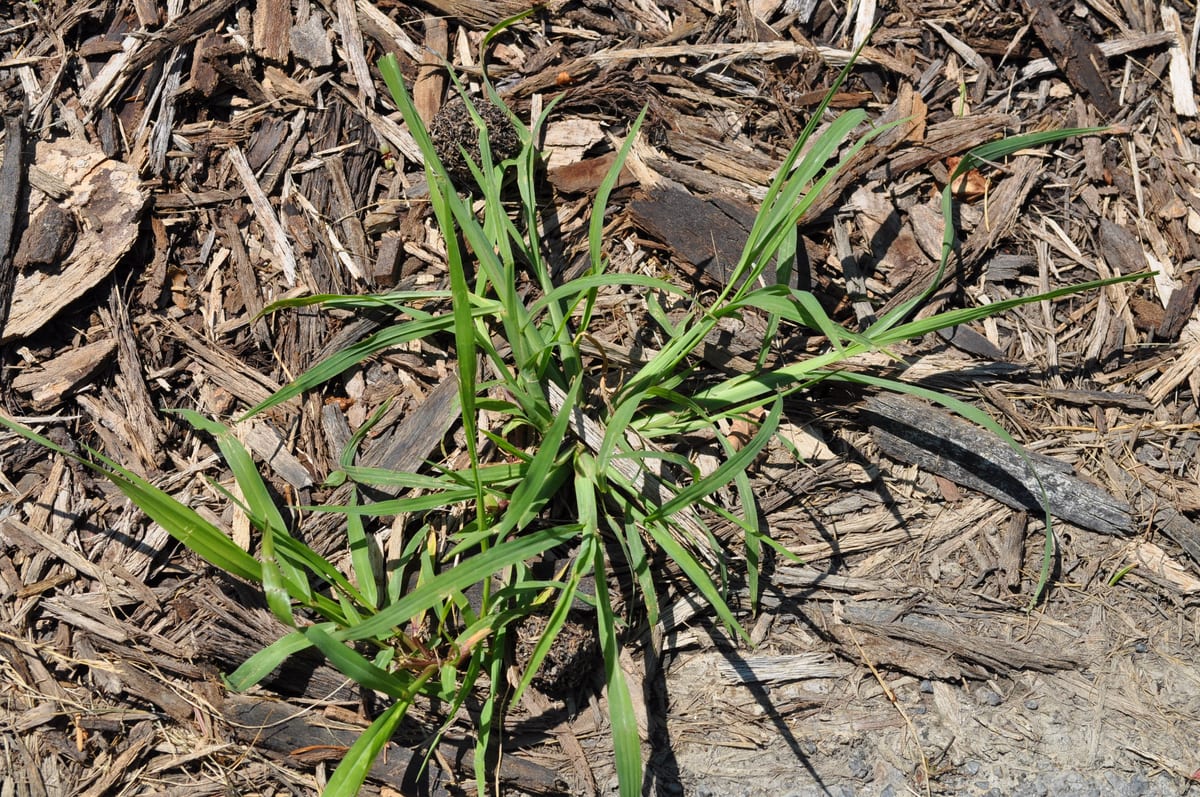 Weed control Crabgrass: Why It's Back Every Summer, and the Date That Beats It Crabgrass dies at frost and comes back from seed. The pre-emergent date (forsythia bloom, 55°F soil), the seeding conflict, and the thick lawn that ends it. Read →
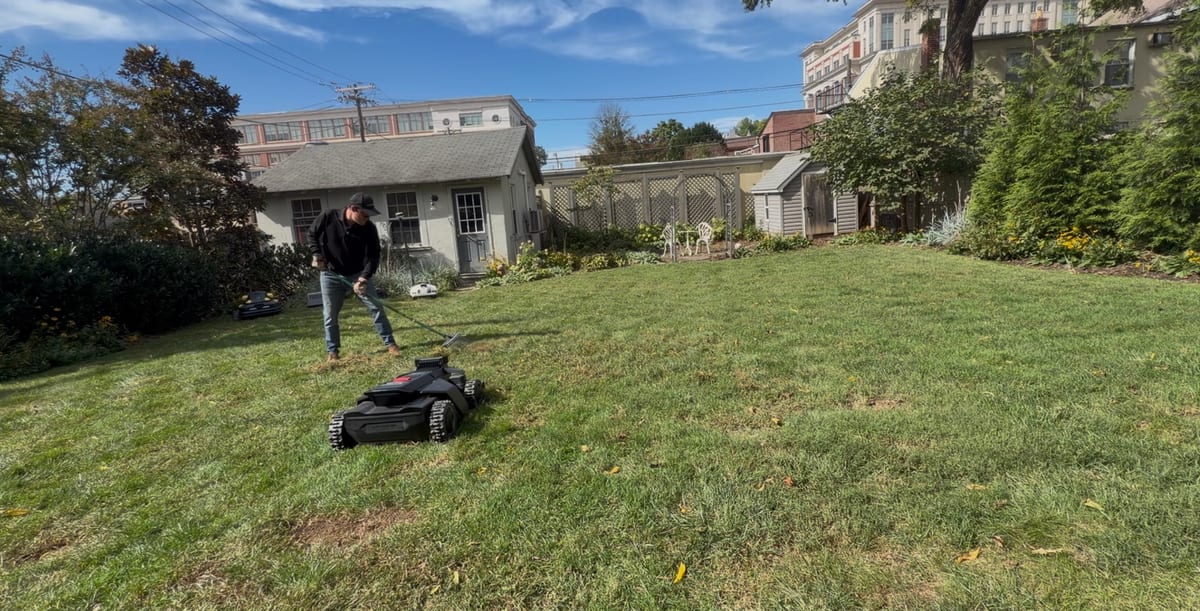
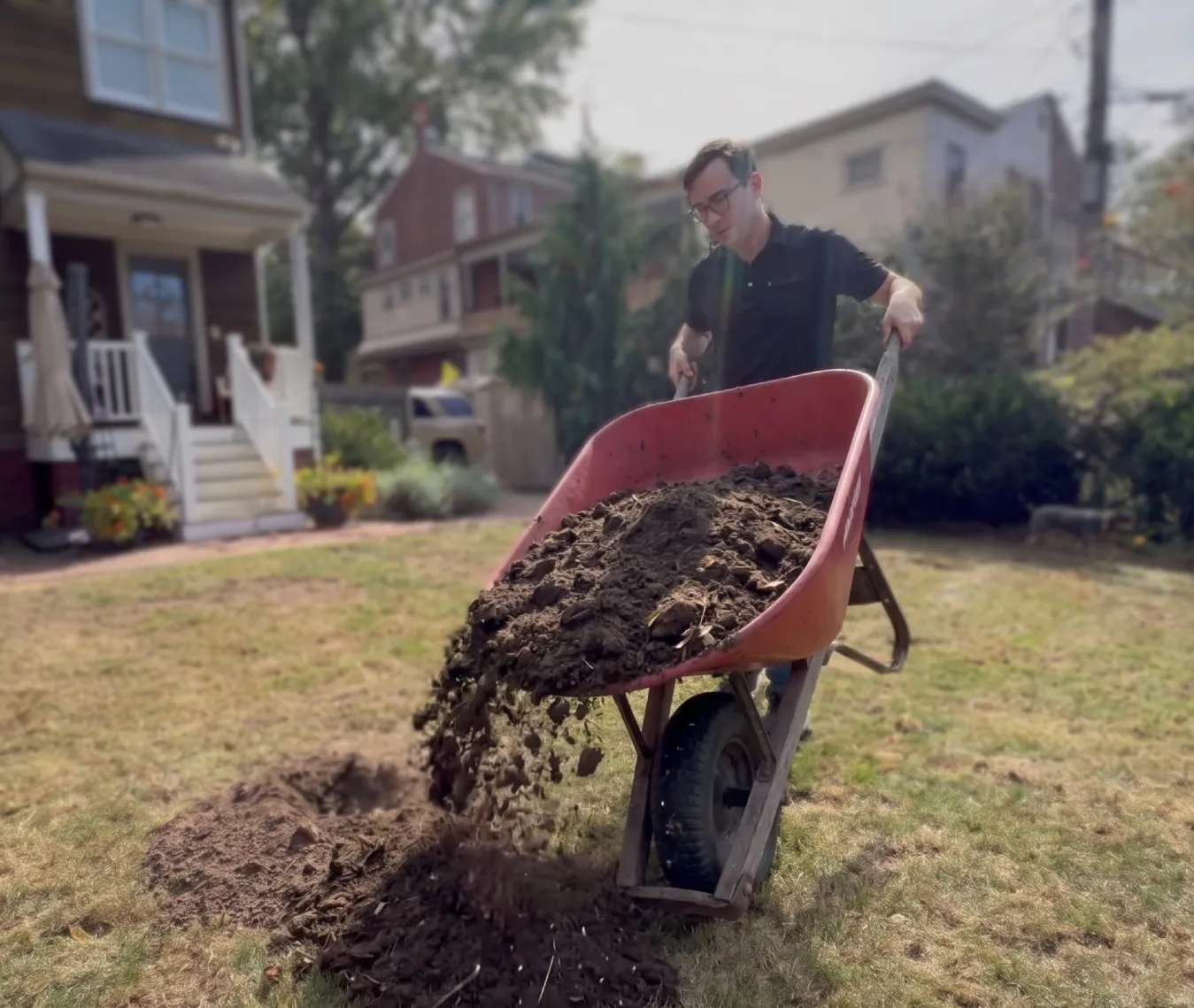 Grass health Fall compost topdressing with a robot When, how thin, pairing it with aeration, and when to restart the mower. Read →
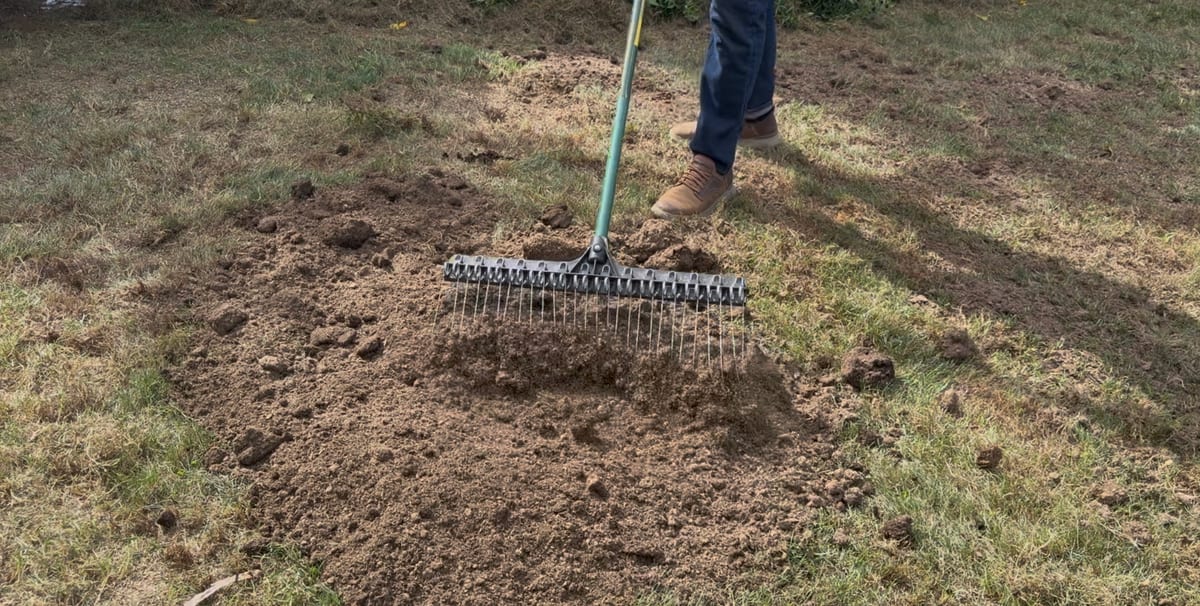
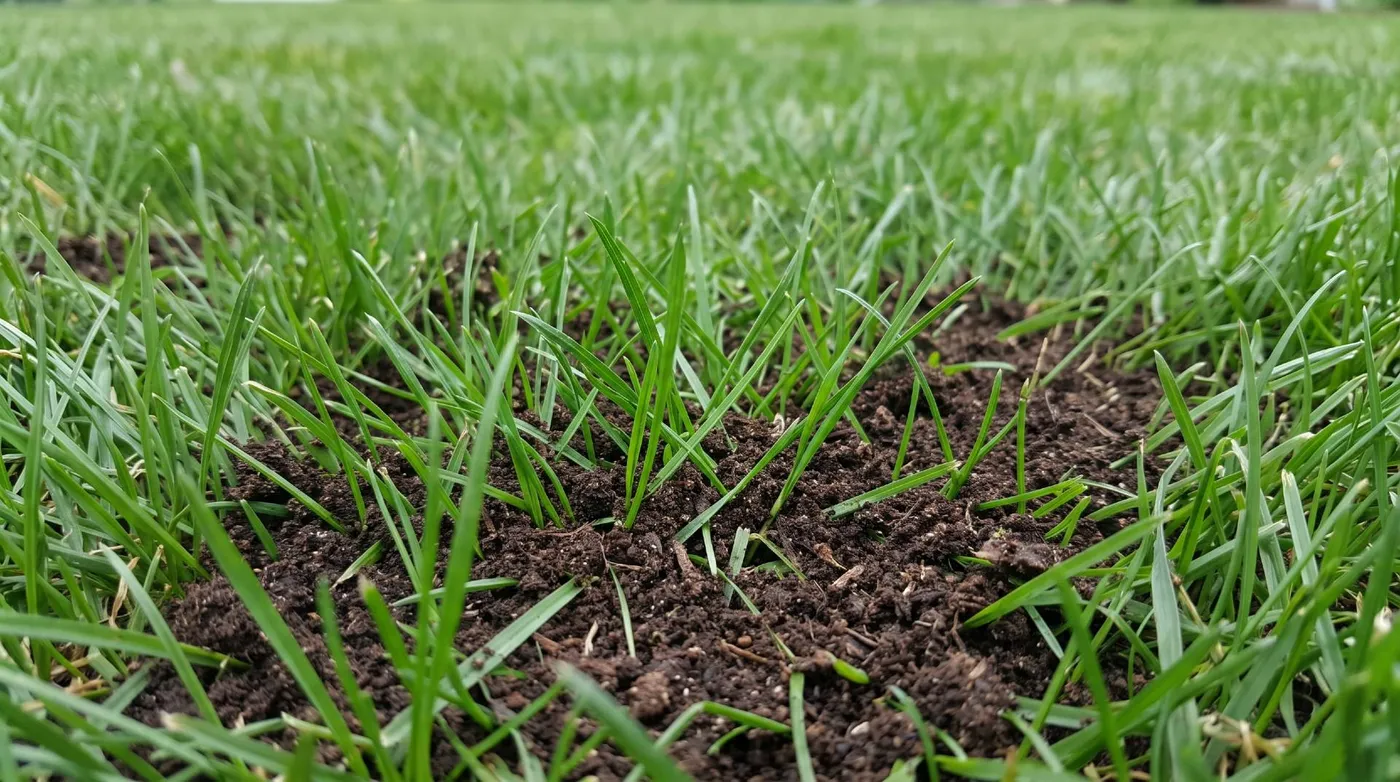
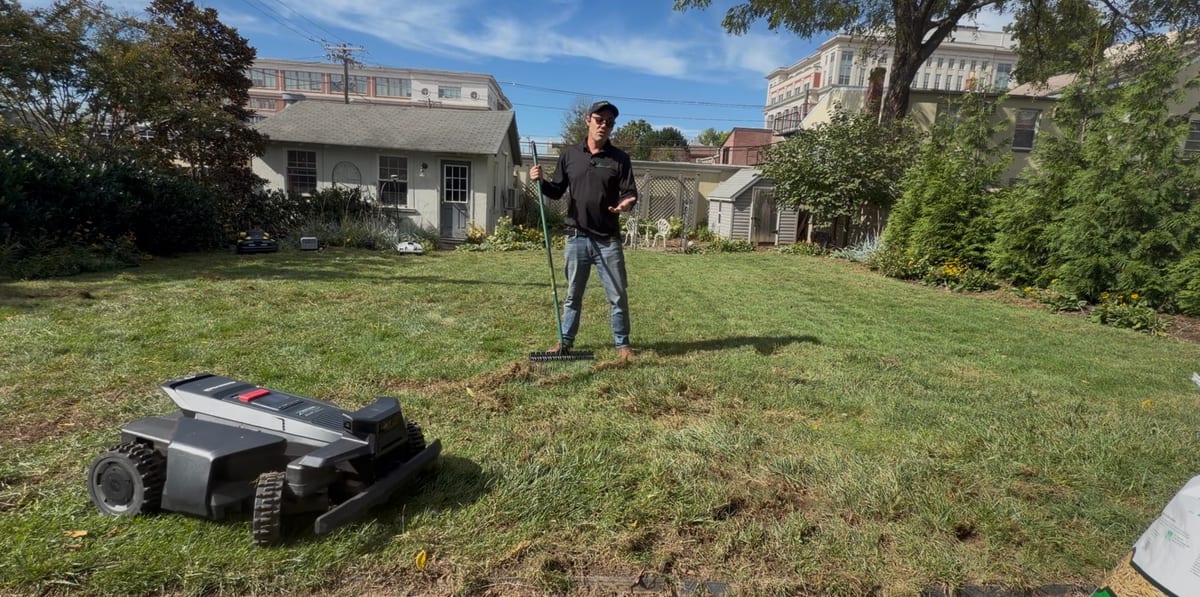 Grass health Why Won't My Lawn Fill In? Repairing Bare and Thin Spots Why bare spots never fill in (bunch grasses, shade, traffic, compaction), how much seed a patch needs, the repair in order, and when the mower goes back on. Read →
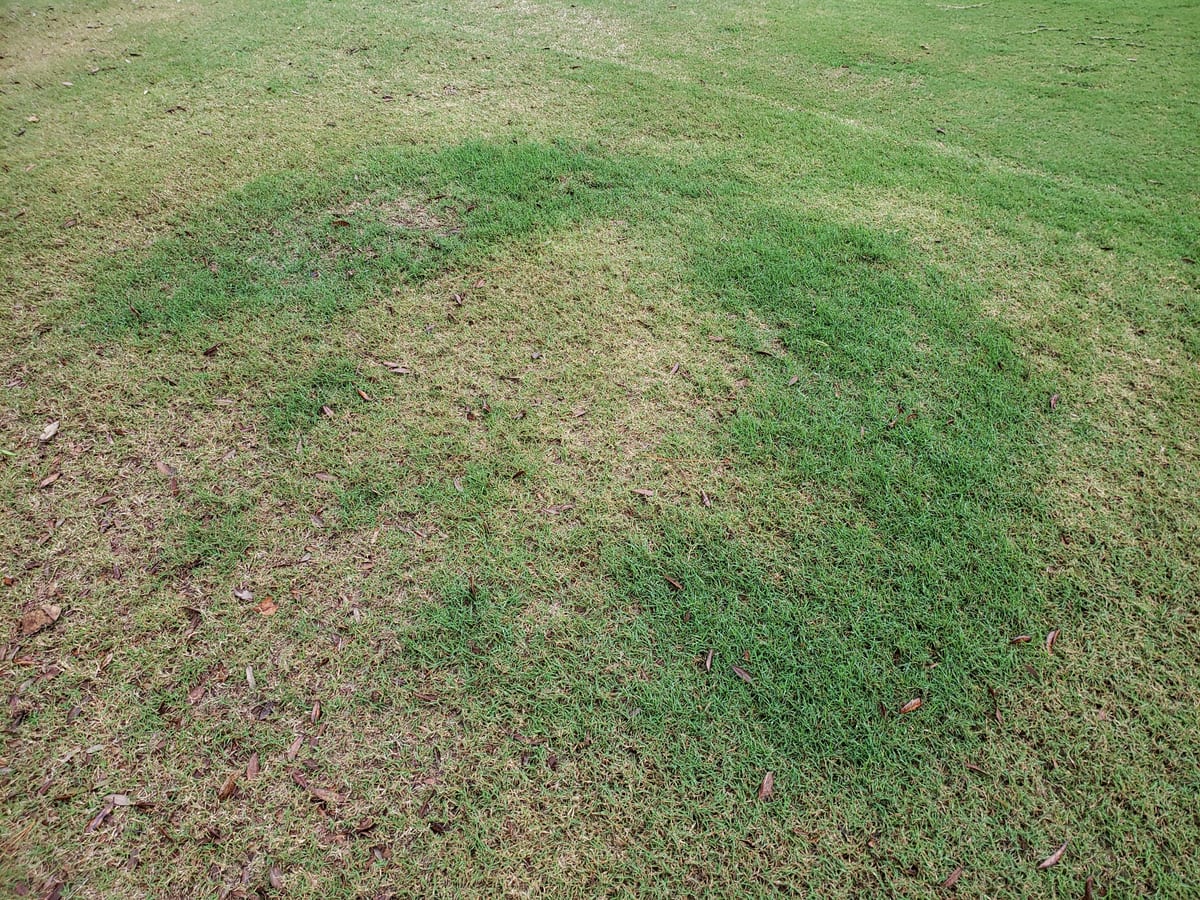 Grass health Brown Circles in the Lawn: Brown Patch, Dollar Spot and Fungus Circles that widen after humid nights are a fungus. Brown patch, dollar spot, fairy rings and summer patch told apart, the four habits that stop them, when to spray. Read →
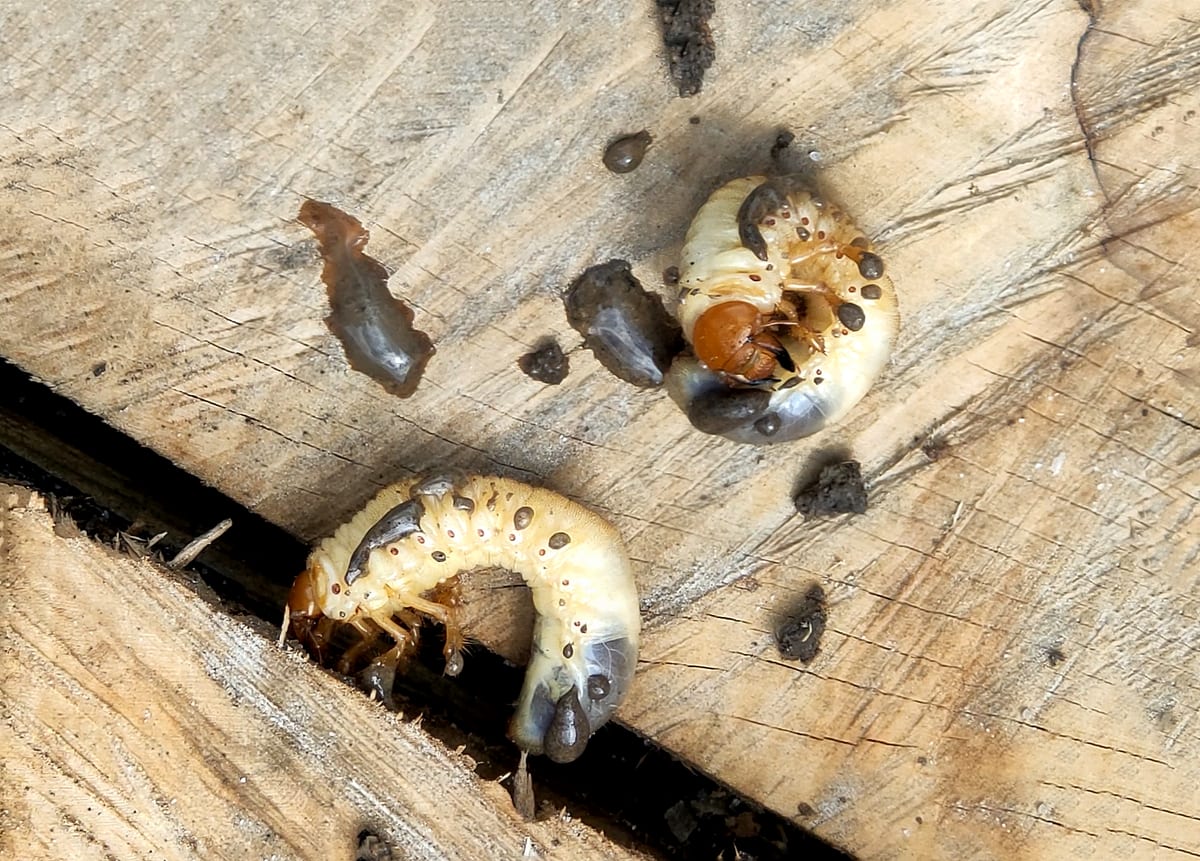 Grass health Something Is Digging Up My Lawn: Grubs, and What Digs for Them Turf that lifts like carpet and animals digging at night mean grubs. How to count them, the number worth treating, the two treatment windows, and reseeding. Read →
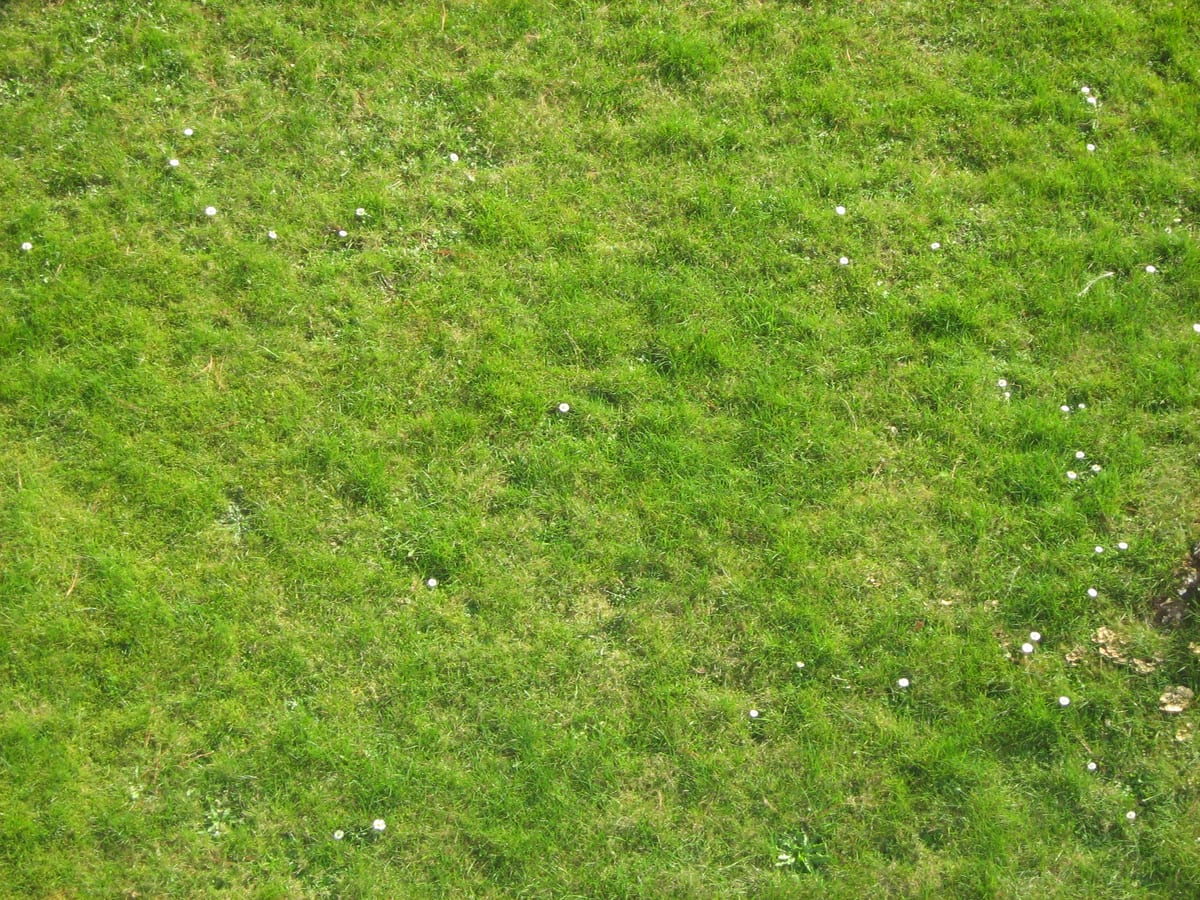 Grass health Moss and Thin Grass Under Trees: How to Grow a Lawn in Shade Moss grows where grass gave up on the light. How much sun a lawn needs, the fine fescue that copes, lifting the canopy, and when to make it a bed instead. Read →
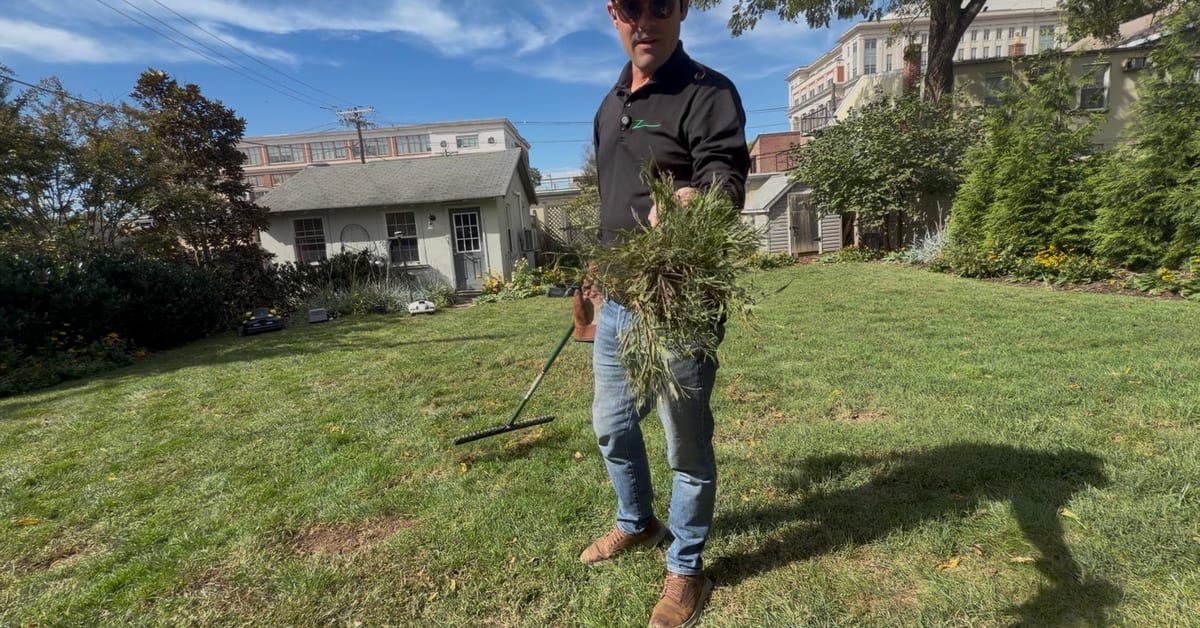 Grass health Spongy Lawn, Puddles After Rain: Aeration and Dethatching A spongy lawn or water sitting after rain means thatch or compacted soil. The two tests, core aeration vs dethatching, when to do each, and seeding into the holes. Read →
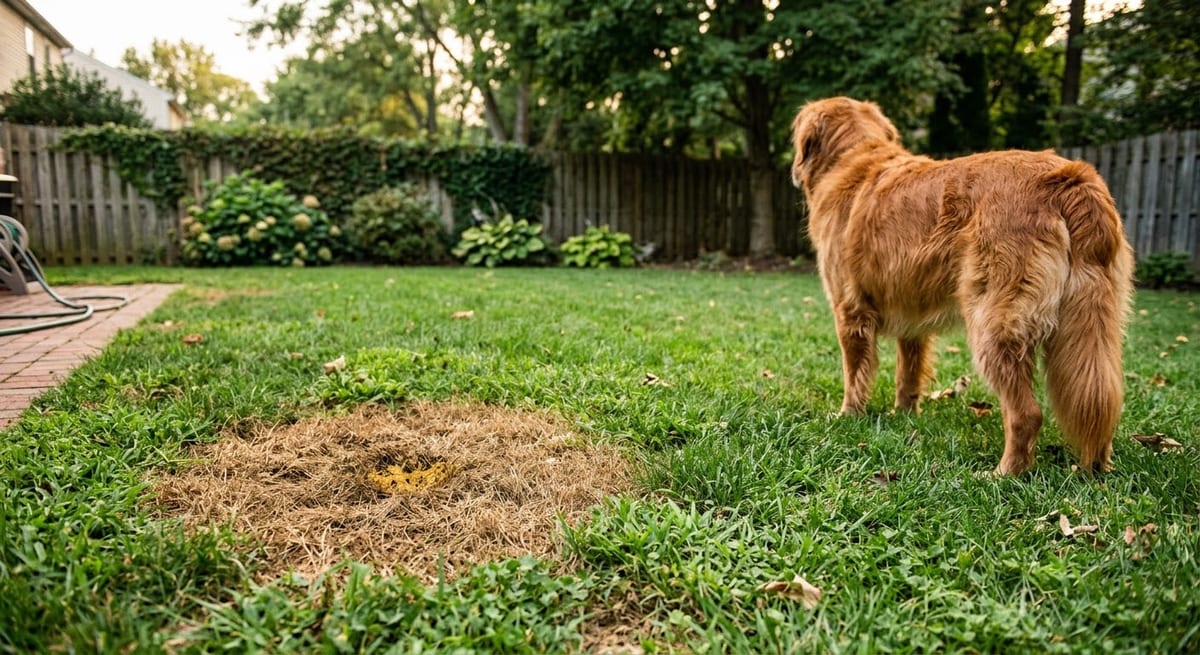 Grass health Dry Lawn or Dog Spots? Watering Right and Fixing the Circles Footprints that stay pressed in mean drought; a dead circle with a lush ring is a dog spot. The inch-a-week rule, when to water, dormancy, and fixing each circle. Read →
Free, nothing to install — your Zippy Lawn Care Report, off the same map as your robot mower.
A free report on what to do for your lawn, in what order, built off a map of it: seed by the pound for your grass and goal, feeding by your state's rules, the seeding and aeration windows for your climate, advice for every trouble spot you mark, and the mowing plan that follows — including when a robot mower goes back on after seeding. It saves to a free account, so it remembers what you did and what's next.
Usually with three things that cost little: cut higher and more often with sharp blades, seed in the right window (fall for most lawns), and feed in the right season at the right amount for your grass. Most of what's wrong with a lawn — weeds, thin spots, brown patches — is a symptom of one of those being off. The report tells you which, for your lawn.
No. The report works for any lawn. If you have a robot — or are getting one — it integrates with the same map: the mowing plan lands on your robot's schedule, it tells the robot when to stay docked around seeding, and it counts the fertilizer a daily micro-clipping cut gives back.
No, and the report says so. Send photos and it reads what a photo can show — the color and texture of bare soil (dark and crumbly, pale and gritty, or orange and cracked), moss and puddles that point to damp or acidic ground, thinning, weeds — as a preliminary visual read. What a photo can't measure is pH and nutrients: that's a $15–30 kit from your county extension lab, and it's on the report's shopping list until you've had one done.
Yes. One button prints it or saves it as a PDF; another makes a share link anyone can open — a spouse, a landscaper, us on the call — showing the report but never your contact details. And you can build your own plan from it: pick the suggestions you'll actually do, put them in your order, and they print first with whose job each one is.
Find out what's actually wrong. Tap the tiles above for what you see, map the lawn, mark the trouble spots, and the report writes the order: usually the cut height and the blades today, the seeding window this fall, then feeding in season. It's honest about what a tap or a photo can't tell — the soil test is still a $15 kit from your county extension office.
Late August to October for fescue, bluegrass and rye (September onward in the transition zone), and late spring once the soil holds 65–75°F for Bermuda, zoysia and centipede. The report prints your window; the seed calculator sizes the pounds and bags.
No. We sell, install and service robot mowers — we don't do lawn care, and the report is free. It's educational and honest: what to buy and when, and it ends where we start, on the mowing.
Where the numbers come from: seeding and feeding rates are the ranges university extension services publish per 1,000 sq ft; state fertilizer rules follow each state's lawn-fertilizer law; germination and soil temperatures are seed-industry norms. Mowing heights are the same numbers the app prints for every grass.