
Can a Robot Really Clear Your Driveway? The Honest Fit Guide
The robotic mower question got answered years ago — millions of lawns run on robots now. The snow question is where people still hesitate, and fair enough: snow is heavier than grass, it arrives on its own schedule, and your driveway has to be open when you leave for work whether the weather cooperated or not.
So here’s the honest answer, from a dealer that installs these: most driveways are a fit, some need a plan, and a few we’ll talk you out of. This guide is the same checklist we run when you map your driveway with our free tool — so you can pre-check yourself before we ever get on a call.
The machine we’re talking about
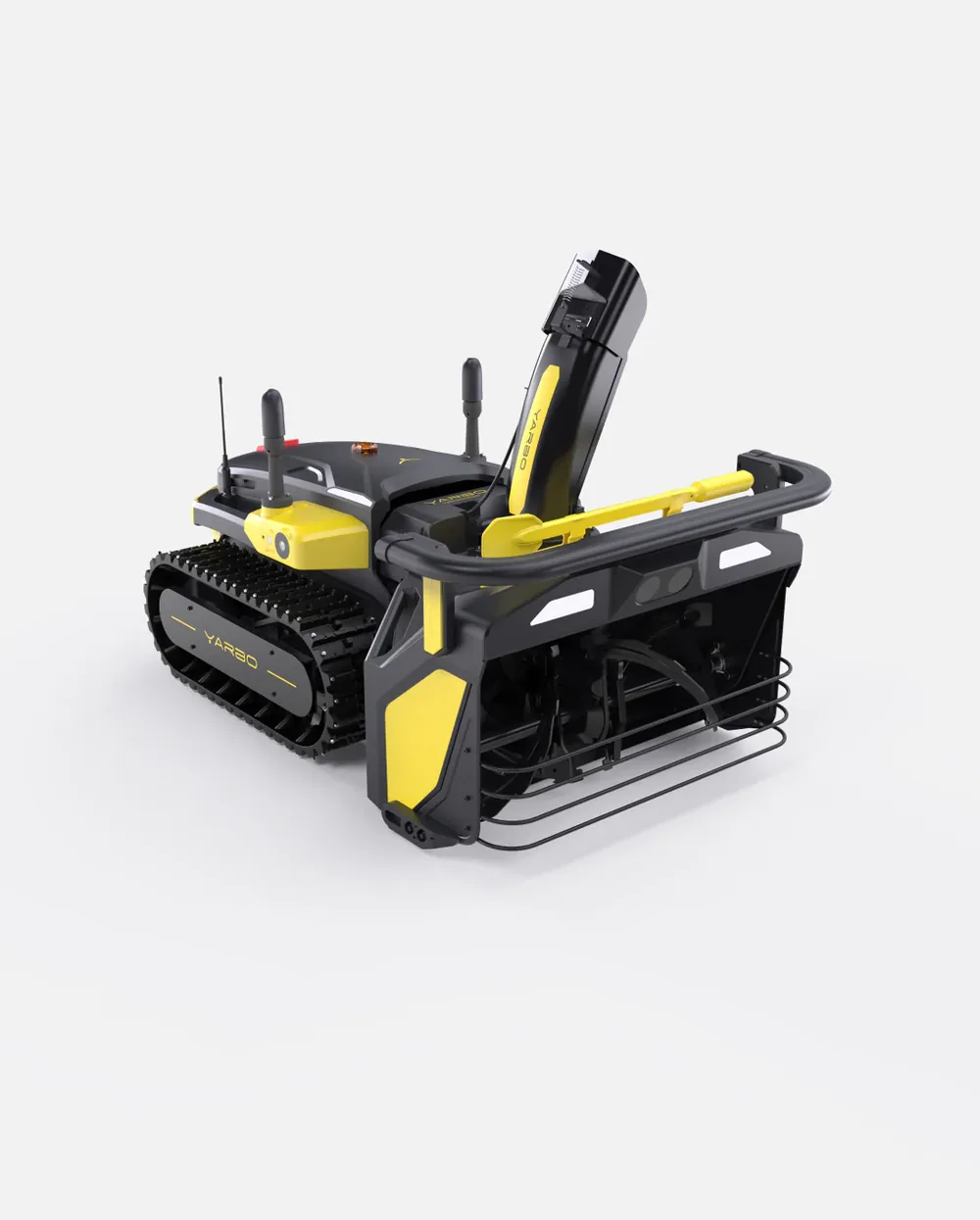
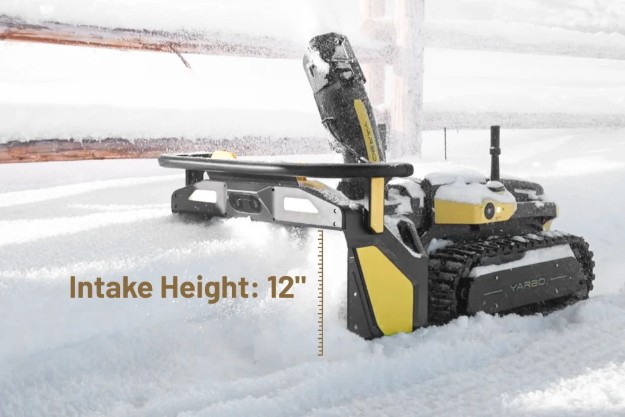
The Yarbo is a modular, tracked, self-driving Core that takes working modules — a mower deck in July, a Snow Blower in January. The snow module is a 2-stage blower — a 24″ clearing width with a 12″ intake, built to chew through heavy, wet and hard-packed snow — that throws snow 6–40 ft in a direction you control from the app and climbs grades to roughly 36%. It navigates by RTK — centimeter-level satellite positioning from a base antenna mounted at your house — which is why it can clear the same driveway edge pass after pass, storm after storm, in the dark, without wandering into the lawn. The full spec walk-through lives on the Snow Blower product page.
The package lists at $4,999; the mow + snow combo (one Core, both modules) lists at $7,199. Install and bundle pricing depend on your site, which is exactly what the call is for.
The six things that decide fit
1. Surface. Asphalt and concrete are ideal. Pavers work with the intake height set to protect edges and joints. Gravel is a judgment call — we wrote the honest gravel answer separately — the short version is: raised intake, skimming above the stones, confirmed together before you buy.
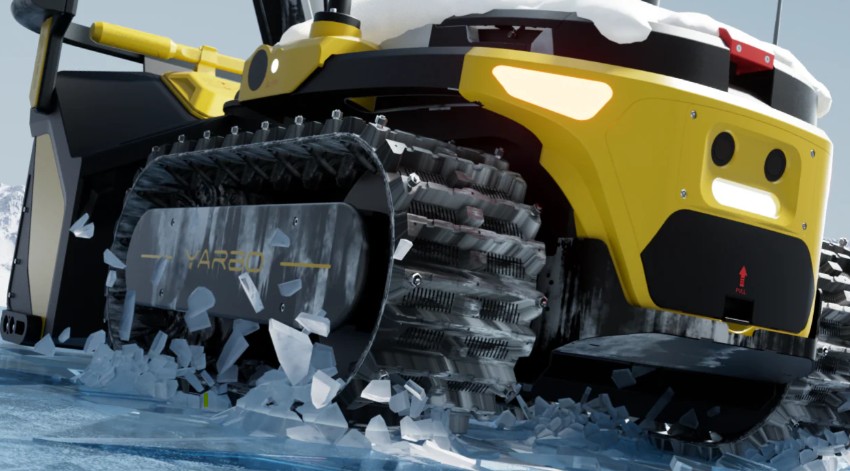
2. Slope. Grades to ~36% are climbable — the tracks take traction spikes that bite into snow and ice — and steep driveways get a slope-pattern plan so the machine works the grade the right way. Steeper than that, we say so.
3. Throw room. Snow has to land somewhere. Open lawn on both sides is easy; one open side just means every pass throws that way; a genuinely tight lot — buildings and fences on both flanks — gets a drawn throwing plan using the 6–40 ft chute range. Tight is workable. Nowhere at all is the rare honest no.
4. The plow berm. If the municipal trucks push a ridge across your driveway entrance, you already know it’s the worst snow on the property. The robot’s storm schedule includes an extra end-of-driveway pass after the plows run — the berm gets its own article too, because it deserves a straight answer.
5. Cars and people. Vehicles parked outside overnight get no-throw zones, and the schedule is tuned around where they sit. Walkways and the public sidewalk can be mapped as their own surfaces with their own throw directions.
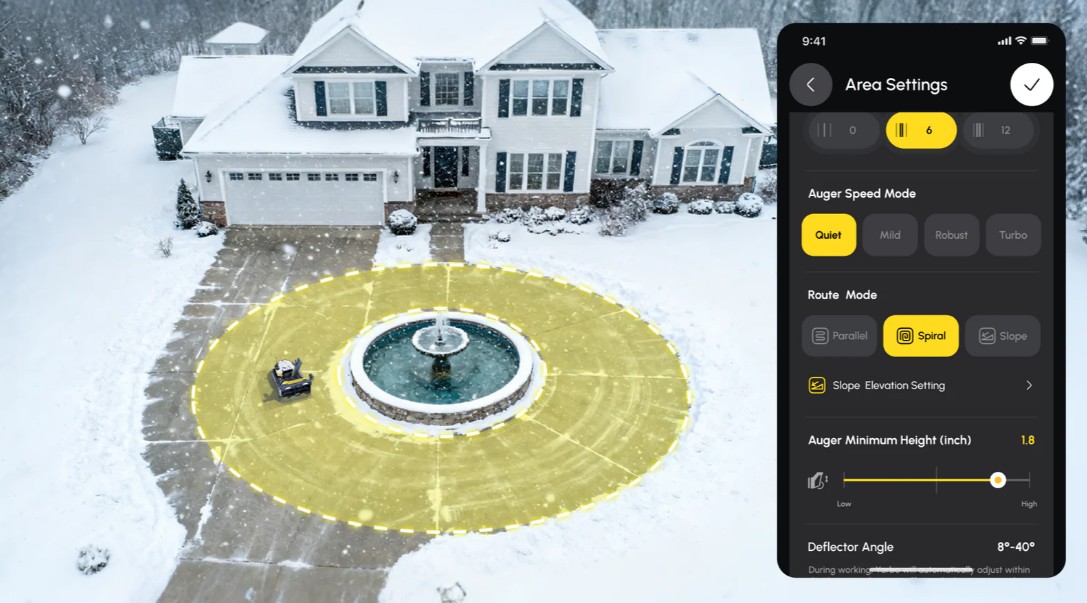
And driveway shape is a solved problem, not a check: a circular drive clears in spiral mode — the app literally has a route mode for it — and multiple mapped zones (driveway + walk + pad) each keep their own settings.
6. The sky over your driveway. RTK needs open sky at the base antenna (usually a roof, gable or pole mount) and a usable fix on the driveway itself. Tree canopy over the antenna spot is the thing to catch early — and it’s literally the first thing our mapping tool checks from satellite.
What disqualifies a driveway, honestly
Very few things, but they’re real: no viable antenna mount with open sky, a grade past the machine’s rating, or a lot with genuinely nowhere to put snow. And two limits apply everywhere — bonded ice (no robot chips ice; that’s chemistry, not clearing) and the worst compacted berms, which can take several passes and may very occasionally want a hand. If either of those would make the system disappointing on your specific site, we’ll tell you before you spend a dollar. That’s the whole point of mapping first.
Check your driveway in two minutes
Trace your driveway on satellite with the free mapping tool — you’ll get the square footage, a conservative clear-time estimate, and the satellite sky view the antenna needs. Then we verify the rest together on a quick call. Or start with the overview at zippylawnz.us/snow.
Call or Text Us: 410-725-7500 — winter install slots fill before the first storm, and the fit conversation costs nothing.
Frequently asked
How much snow can a robotic snow blower handle?
The Yarbo's 2-stage blower clears a 24-inch path up to about 12 inches deep per pass — including heavy, wet and hard-packed snow. Deeper storms aren't a problem — the robot simply runs on a storm schedule and makes multiple passes while it's still snowing, so depth rarely accumulates past a single pass.
Where does the thrown snow go?
The chute throws snow 6–40 feet, and you control the direction and side in the app. Cars, doorways and the neighbor's side get no-throw zones. Tight lots get a drawn throwing plan before install.
How steep a driveway can it climb?
Yarbo climbs grades up to about 36% (roughly 20 degrees). Steeper driveways get a slope-pattern clearing plan — or an honest 'not this one.'
What can't a robotic snow blower do?
Bonded ice is outside any robot's scope, and the most compacted municipal plow berms can take several passes — the very worst may occasionally want a hand. Everything else about a normal winter, it handles on its own schedule.
Keep reading
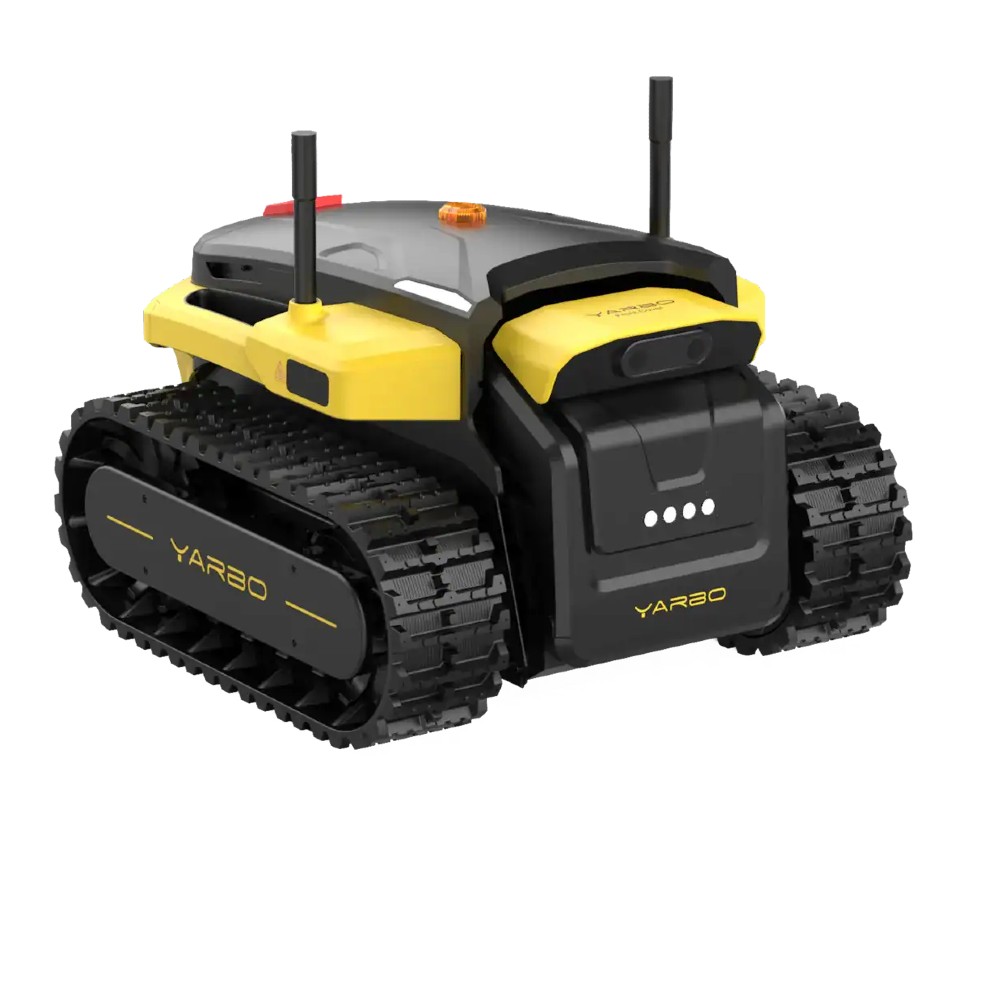 Snow RemovalThe Plow Berm Problem: Can a Robot Clear the Ridge?The municipal plow's compacted ridge is the worst snow on your property. Here's how a robotic snow blower handles the berm — honestly, pass by pass.
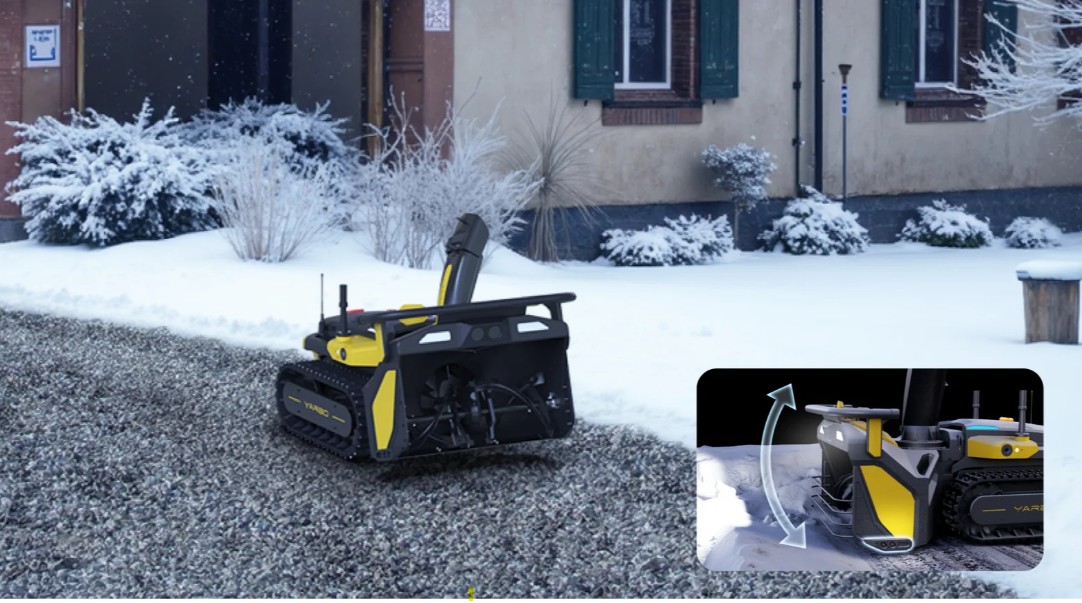 Snow RemovalYarbo Snow Blower on a Gravel Driveway: What to KnowGravel driveways and robotic snow removal: how the Yarbo runs with a raised intake, what the official guidance says, and how we confirm your surface first.
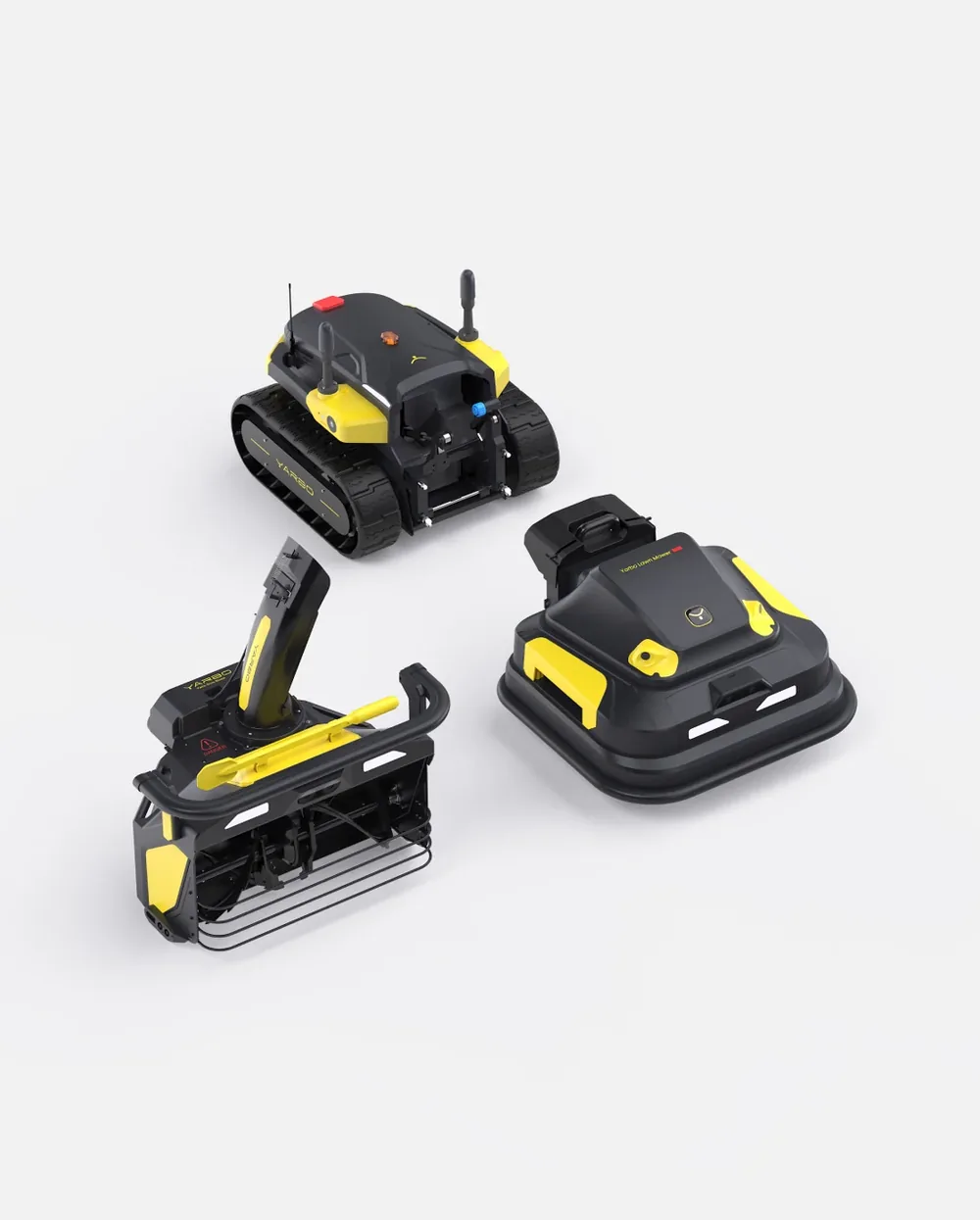 Snow RemovalRobot Snow Blower vs. Plow Service: A Winter's Real CostWhat a robotic snow blower costs against a plow contract or per-storm plowing — honest math, payback seasons, and the one thing a plow can never sell you.
Explore the system
The mowers and pages behind this topic — see them sized to your yard.