
10 Things You Should NEVER Do With a Robot Mower
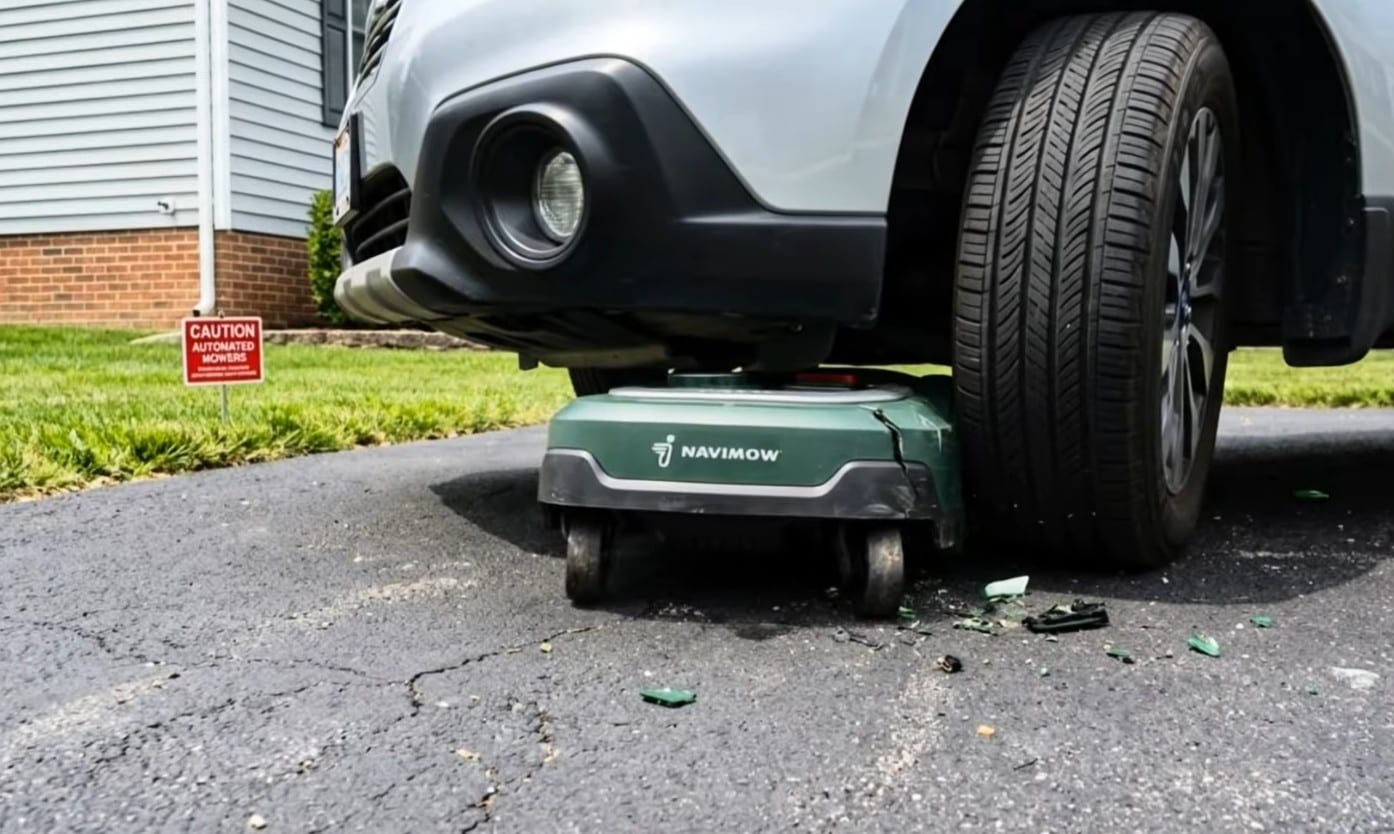
I’ve watched people destroy $3,000 robot mowers in ways that were completely avoidable — a mower crushed in a driveway, another sunk in a pond, a lawn scalped brown, a battery killed over winter. The machines are tough and smart, but a handful of mistakes come up over and over. Here are the 10 things to never do, ranked from “mildly annoying” to “you just bricked your mower.”
These apply across brands — Mammotion, Segway Navimow, Yarbo, Husqvarna, Worx, EcoFlow and any other RTK or wire-based system — because they’re about how these machines behave, not the logo on the shell.
1. Never run it at night without thinking it through
That quiet 2 a.m. run isn’t as quiet as you think. Between the motor hum and a bright headlight sweeping across a neighbor’s bedroom window, night mowing is the fastest way to a complaint — and there are dew and wildlife reasons to avoid it too.
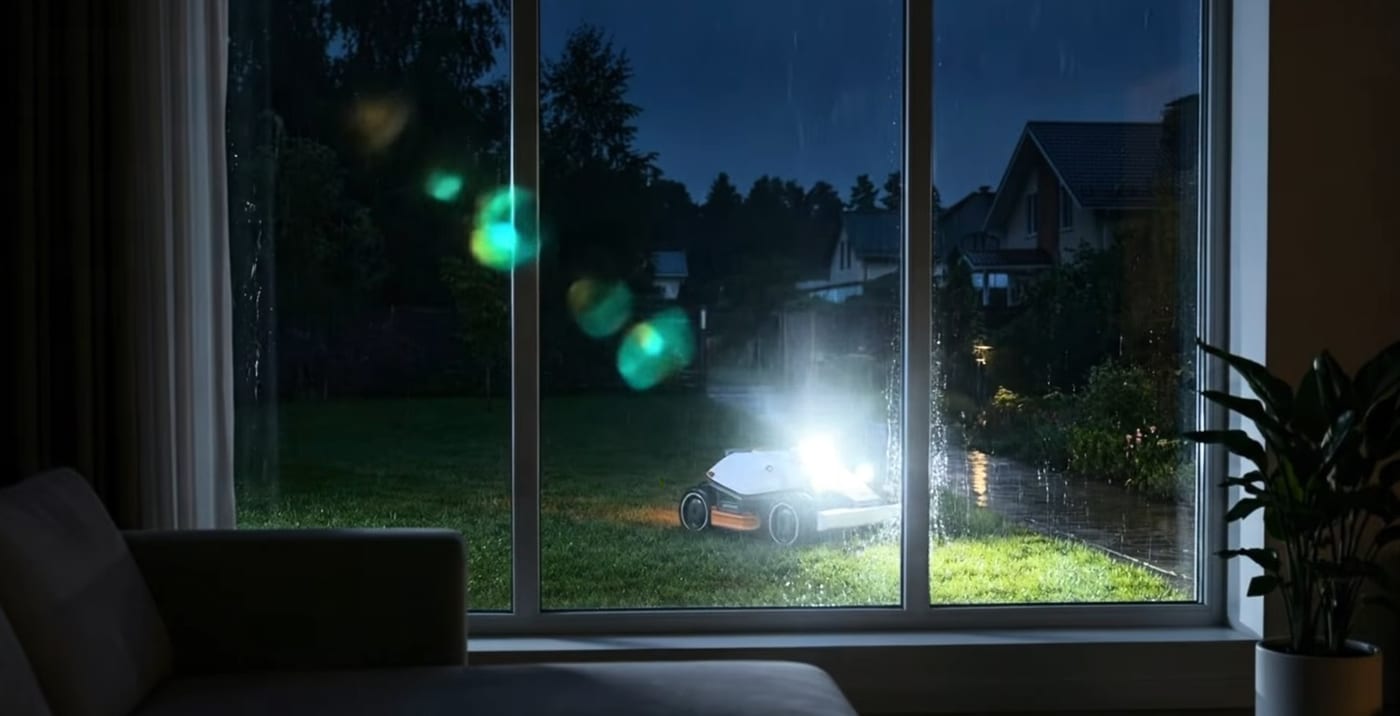
The fix is usually an early-morning finish instead of a middle-of-the-night run — same “wake up to a cut lawn,” none of the friction. We broke down the whole question (wildlife, dew, and when it actually works) in should your robot mower mow at night?
2. Never skip the knockdown cut on tall grass
A robot mower is a maintainer, not a reclaimer. Turn one loose on tall, overgrown grass and it bogs down, leaves clumps, strains its motors, and drains the battery for a lousy result. If the grass is long — after a vacation, at spring green-up, on a new install — do a traditional “knockdown” cut first with a regular mower, then let the robot keep it short. That’s the environment it’s designed for.
3. Never map hazards without a no-go buffer
This is the one that destroys machines. The mower in the photo up top was crossing a channel routed too close to a driveway when a car pulled in. Ponds, pools, retaining-wall drop-offs, driveways, roadsides — every one of them needs a no-go zone with a margin, and you should never run a connecting channel across where cars drive.
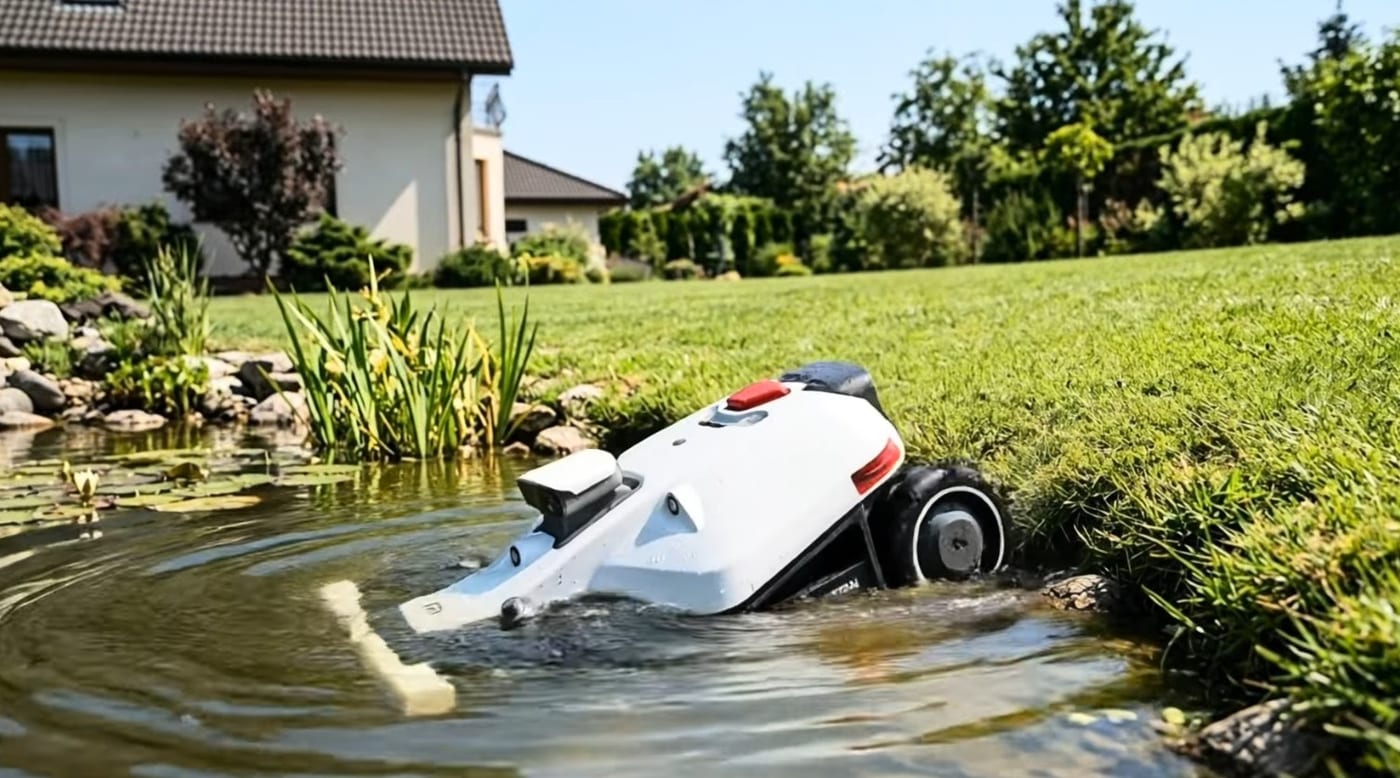
Give hazards room. We cover the buffer-zone principle in 10 things I wish I knew and how to set clean no-go zones in our mapping tips.
4. Never bump or move the RTK base after mapping
Your entire map is measured relative to the RTK antenna’s exact position. Knock the base, lean a ladder on it, or move it “just a little,” and every boundary in your map shifts with it — the mower drifts off its lines and starts cutting where it shouldn’t. Mount it permanently and leave it alone. If it ever does move, restore its exact spot or re-map. (Where to put it in the first place: where to install your RTK antenna.)
5. Never ignore firmware updates
It’s tempting to dismiss the update prompt, but firmware is where manufacturers ship navigation fixes, better obstacle detection, safety improvements, and battery-management tweaks. Skipping updates means living with bugs that were already solved — and missing safety behavior you’d genuinely want. Keep it current.
6. Never cut too low, too fast
Dropping the deck way down to “get it over with” scalps the lawn — shocking the grass, exposing soil, and opening the door to weeds and bare patches.
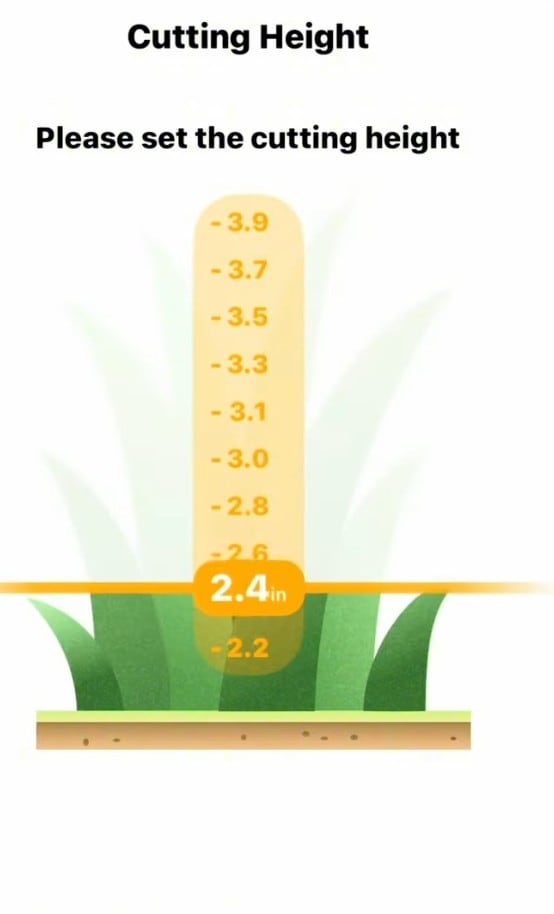
Never remove more than a third of the blade at once. Bring the height down in steps over several cuts, and keep it higher in summer heat (more on that in 10 things I wish I knew).
7. Never mow soaking-wet grass or heavy dew
Cutting through saturated grass clumps, smears, and spreads disease on the fresh cuts, and the mower is more likely to slip or leave ruts — especially on any slope. Let heavy dew burn off and give the lawn time to dry after rain before the mower runs. (Timing around dew is a big part of the night-mowing question.)
8. Never run dull blades
Those little blades are razors, and a dull or chipped one tears grass instead of slicing it — leaving brown, frayed tips that stress the lawn and invite disease. A whole lawn can look sickly for one reason: nobody changed the blades.
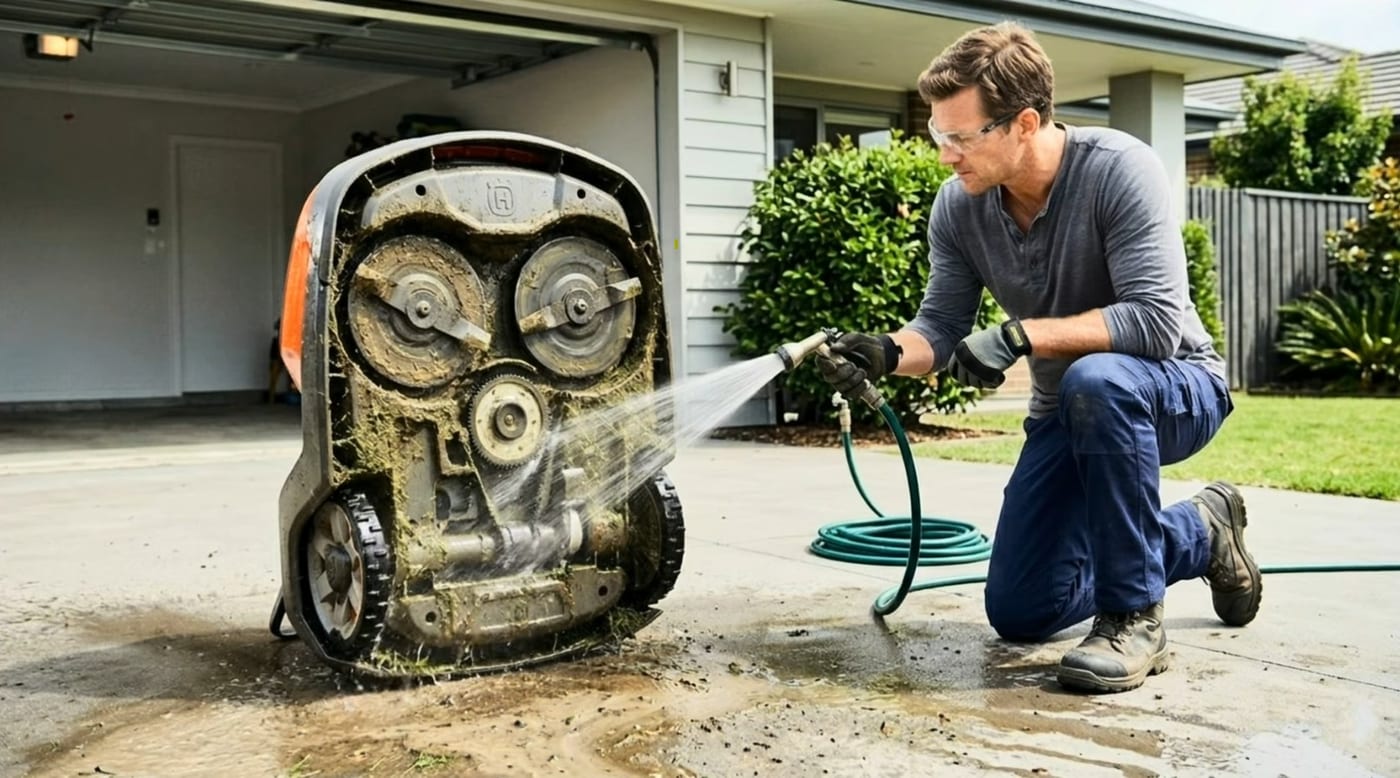
9. Never let it drive through standing water
Wet grass is one thing — these mowers are built to handle damp. Standing water is another. Puddles, a flooded low spot, or a yard still holding water after a storm can get into the electronics and motors and kill the machine. If your yard floods, pause the mower until it drains. Water is the difference between “wet grass, fine” and “expensive paperweight.”
10. Never leave it outside all winter
When the season ends, bring it in. Left out in the elements, freeze-thaw cycles and constant moisture work on the machine, and cold is brutal on a lithium battery sitting at the wrong charge. Clean it up, charge it to your manufacturer’s recommended storage level, and tuck it somewhere dry until spring. It’s the difference between a mower that lasts years and one that limps into next season.
The pattern: none of these are bad luck
Every one of these is avoidable with a little setup and a few habits — the right map with real buffers, sensible scheduling, current firmware, sharp blades, and winter storage. Do a mower dirty and it fails; treat it right and it quietly runs for years.
The single biggest lever is getting the map and setup right on day one — that’s most of this list handled before the mower ever cuts a blade.
- 📍 Check my lawn — free — we read your yard from satellite and flag the hazards (water, driveways, slopes) before you buy.
- 🗺️ Book a free mapping call — we’ll set your no-go zones, buffers, channels and schedule so none of these happen to you.
Want the flip side? Here’s 10 things I wish I knew before robotic lawn mowing — the habits that make a lawn look professionally maintained.
Frequently asked
Can you mow tall or overgrown grass with a robot mower?
No — do a traditional 'knockdown' cut first. Robot mowers are built to maintain already-short grass, not to reclaim a hayfield. Turned loose on long grass they bog down, leave clumps, strain the motors and drain the battery. Cut it down once the normal way, then let the robot keep it there.
Is it OK to mow wet grass with a robot mower?
There's a big difference between damp and flooded. Heavy morning dew or soaked grass isn't ideal — it clumps, spreads disease, and the mower can slip or leave ruts, so it's better to wait until it dries. Standing water is a hard no: driving through puddles or a flooded yard can kill the electronics and motors.
Do I really need to bring my robot mower inside for winter?
Yes. Don't leave it out in the elements all season. Freeze-thaw cycles and constant moisture damage the machine, and cold wrecks lithium batteries left at the wrong charge. Clean it, charge it to the level your manufacturer recommends for storage, and keep it somewhere dry until spring.
What happens if I move my RTK base after mapping?
You break the map. The whole map is measured relative to the RTK antenna's exact position — bump it or relocate it and every boundary shifts, so the mower drifts off its map. Mount the base permanently and leave it put. If it does move, you'll need to restore its exact spot or re-map.
Do robot mowers really get run over by cars?
Yes — it happens when a boundary or a connecting channel runs too close to a driveway or road without a no-go buffer, and the mower is crossing as a car pulls in. Always map driveways, parking pads and roadsides as no-go zones with a margin, and never route a channel across where vehicles drive.
Keep reading
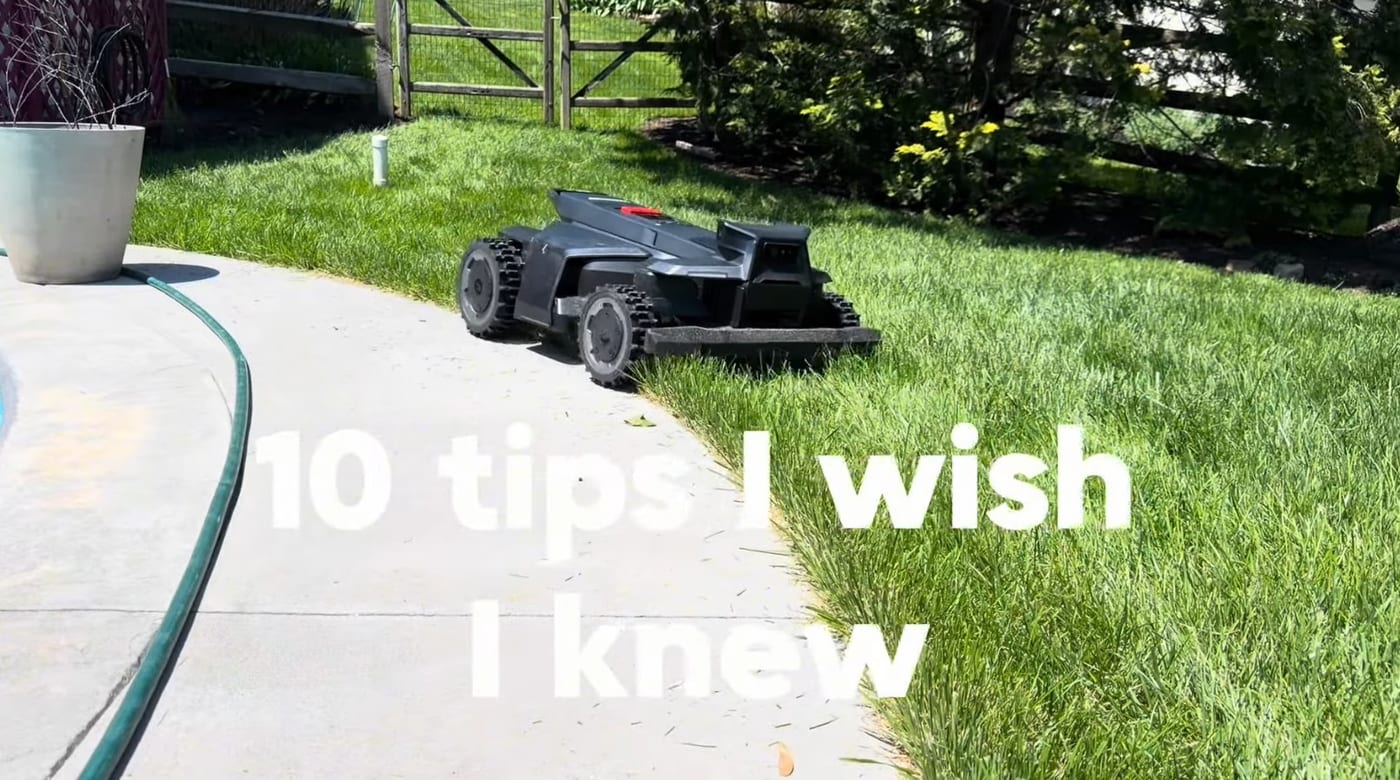 Buying Guides10 Things I Wish I Knew Before Robotic Lawn MowingThree seasons of robot mowing taught me 10 things I wish I knew on day one — the mulch-bed edging trick, buffer zones, deck height, daily micro-cutting and more.
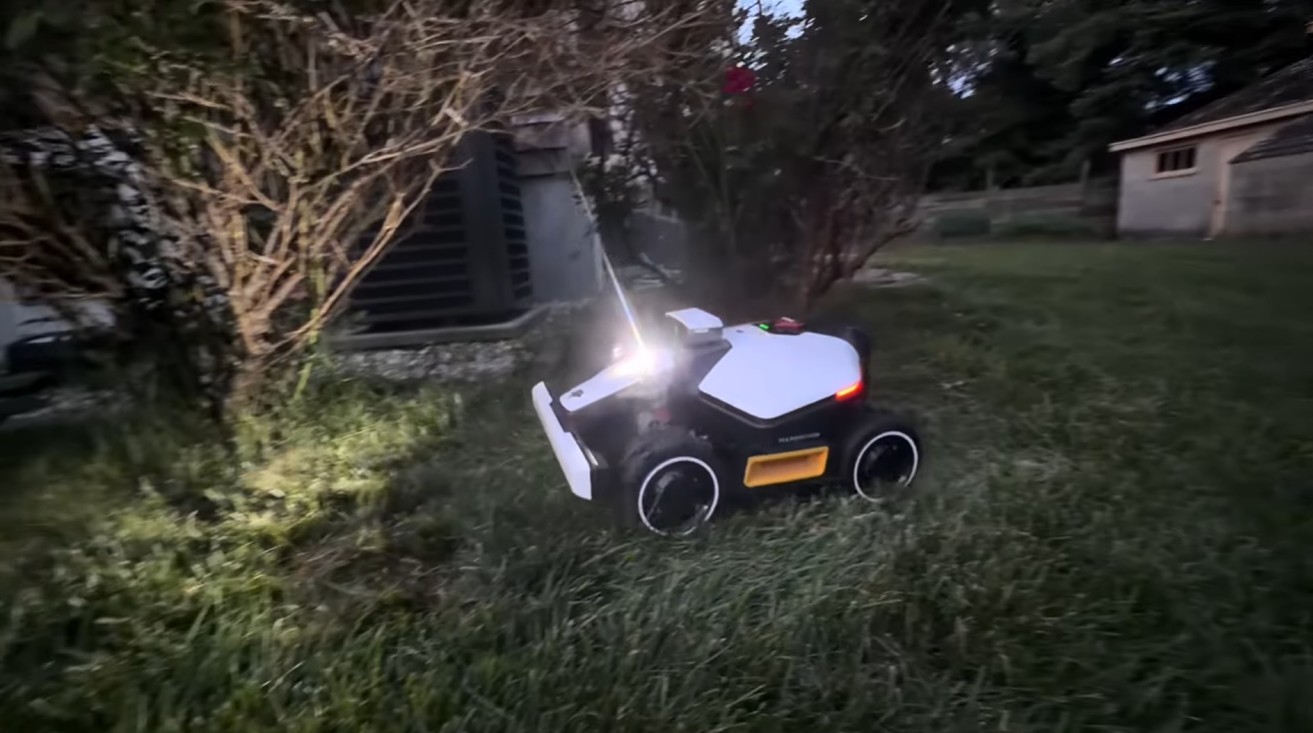 Tips & MaintenanceShould Your Robot Mower Mow at Night? Wildlife, Dew & LiDARNight mowing is quiet and satisfying — but should your robot mower do it? The honest truth on wildlife, why vision mowers fail in the dark, and how LiDAR fixes it.
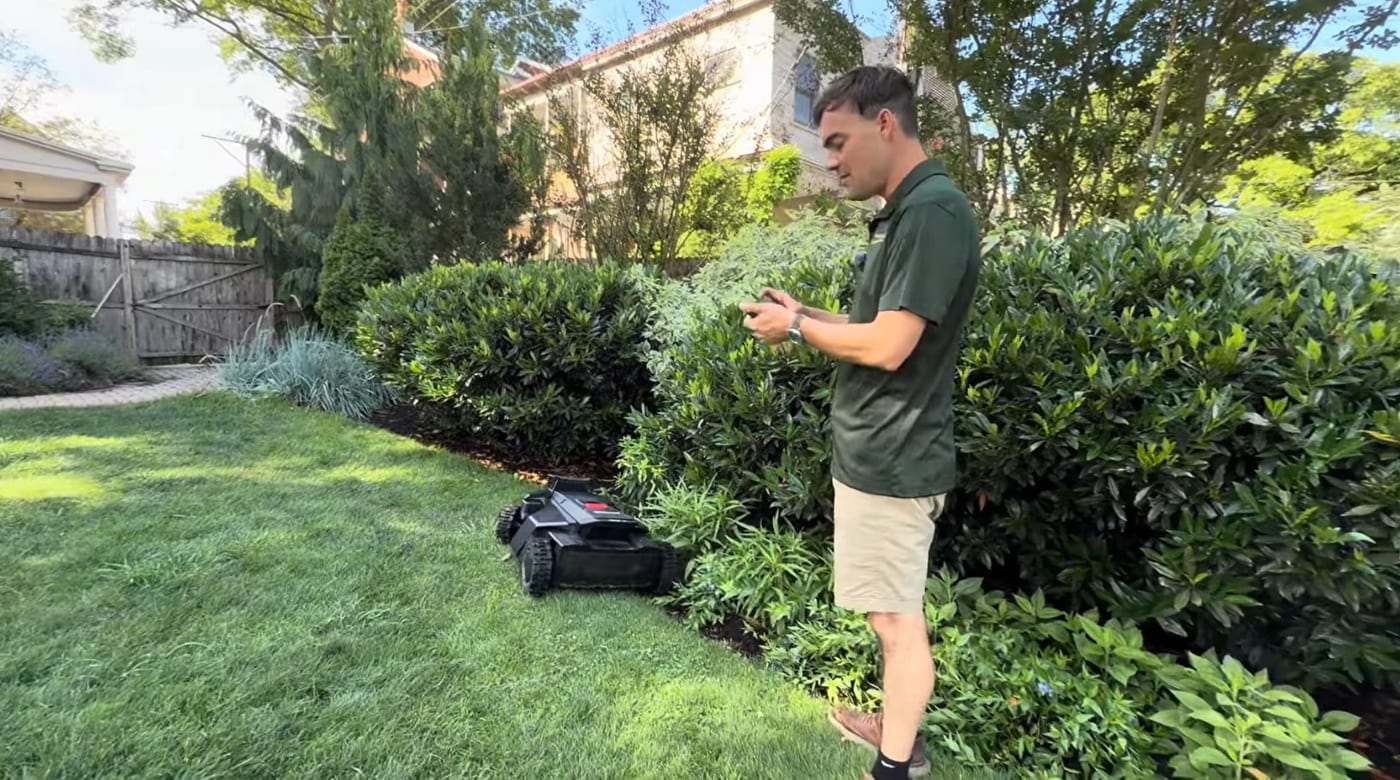 Installation & Setup10 Robotic Lawn Mower Mapping Tips (Avoid Costly Mistakes)Mapping makes or breaks a robot mower — most problems trace back to it. 10 tips on dock placement, channels, no-go zones, virtual fences, RTK signal and more.
Explore the system
The mowers and pages behind this topic — see them sized to your yard.