
Should Your Robot Mower Mow at Night? Wildlife, Dew & LiDAR
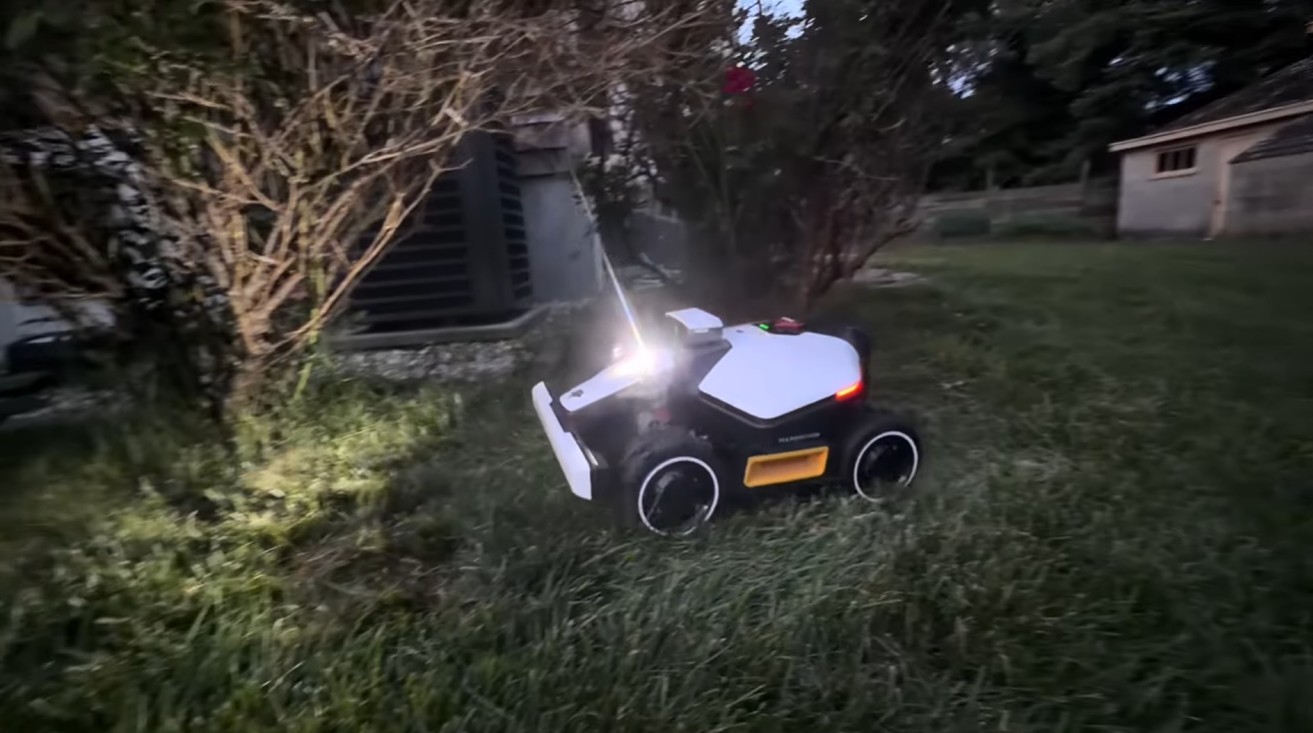
There’s something deeply satisfying about a robot mower quietly cutting clean stripes while the whole neighborhood sleeps — no noise, no foot traffic, and you wake up to a freshly cut lawn. It’s no surprise so many owners want to run their mower overnight. But should you? Here’s the honest picture — the wildlife question, the dew question, why most robots fail in the dark, and the one technology that actually makes night mowing reliable.
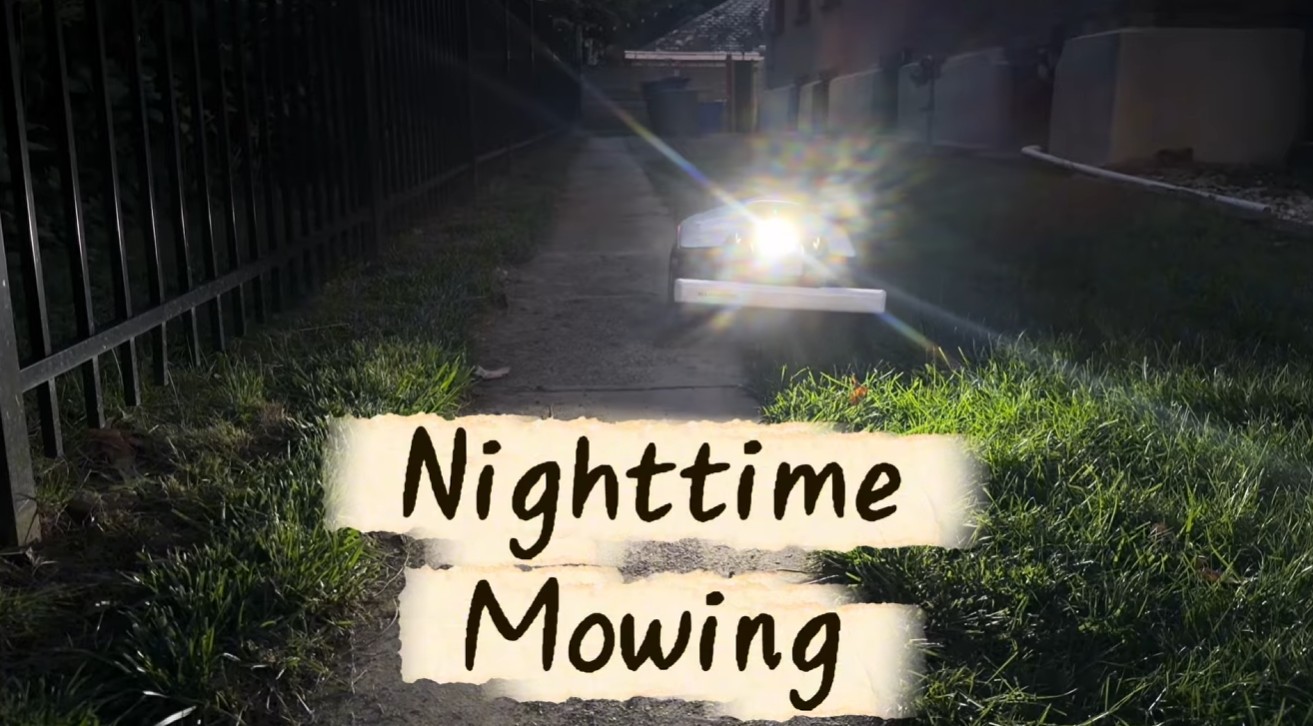
The appeal is real — and so is the timing
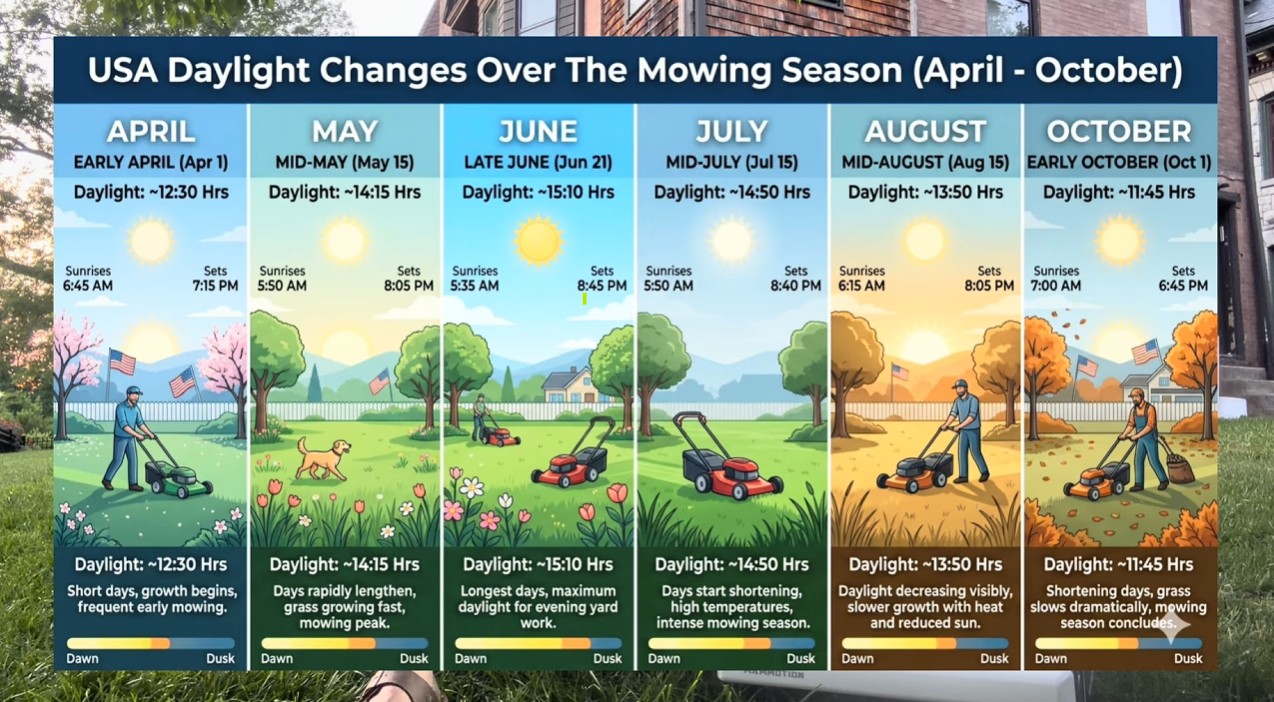
In the heart of summer, evenings are the coolest, quietest hours to run a mower. As the season turns, though, daylight shrinks fast — so the practical window for “run it while I’m not using the yard” moves earlier and earlier.
The wildlife question — the honest truth
You’ve probably seen the headlines. Night mowing has become a genuine debate in Europe, centered on hedgehogs, which curl up in the grass and can be injured by after-dark mowing. It’s a fair concern — over there.
Here’s the honest part for a US audience: North America doesn’t have hedgehogs. That specific risk doesn’t map to American lawns. That said, responsible owners still take care — avoid running through dense cover or garden edges after dark, and use Wildlife Safety Mode or a daylight-only schedule if you’d rather not chance it. Being hands-off shouldn’t mean being careless.
The catch most people miss: dew
The bigger practical issue on most lawns isn’t wildlife — it’s moisture. Grass gets wettest overnight and at dawn, and cutting soaked grass causes clumping, a ragged cut, and a higher risk of lawn disease on the fresh wounds.
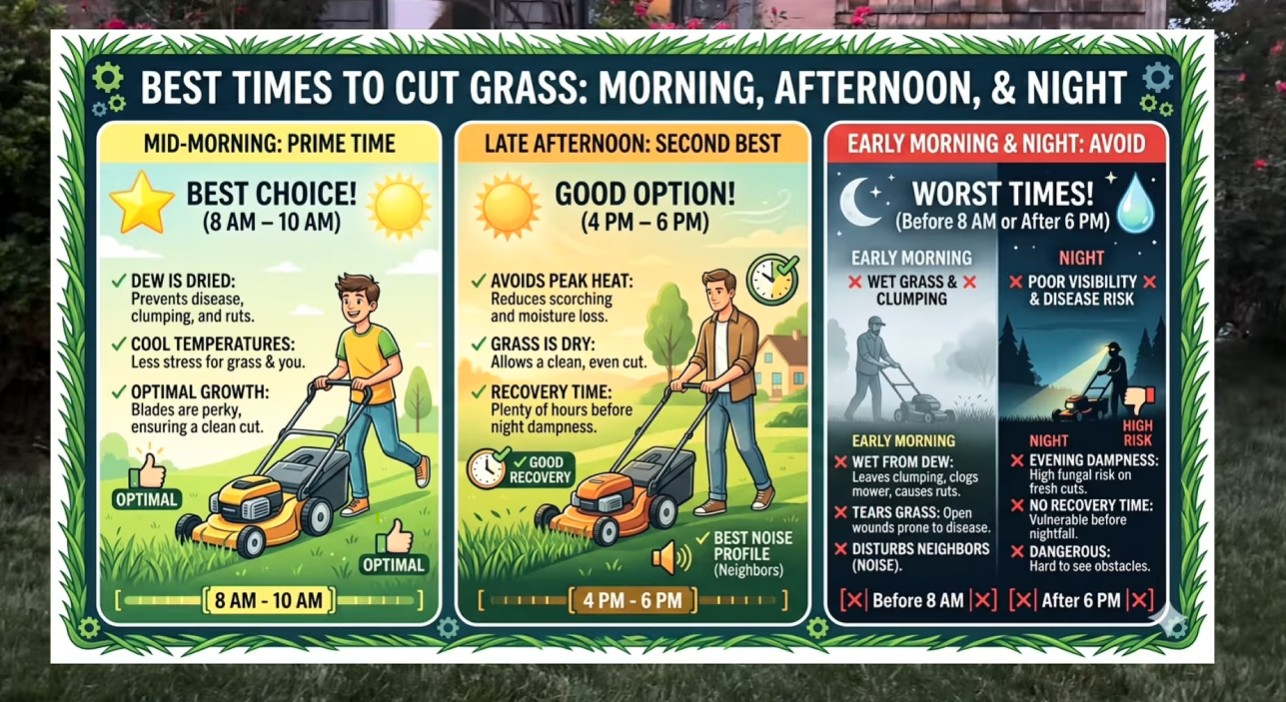
So “night mowing” done well usually means timing it to finish before the dew settles heavily — or scheduling an early-morning run that wraps up right as the dew is burning off, so you still wake up to a cut lawn without cutting soaking grass.
Why most robot mowers fail in the dark
Here’s the technical catch: most wire-free robots lean on two things — GPS/RTK (which needs a clear view of the sky) and camera vision (which needs light). After sunset, the cameras can’t see, so vision-based mowers slow down, wander, or stop. For most robots, night mowing simply isn’t reliable.
How LiDAR changes the game
There’s one exception, and it’s the same technology that lets a mower work under heavy trees: LiDAR. It maps the physical world with its own sensor and doesn’t need any ambient light at all. The Mammotion LUBA 3’s Tri-Fusion navigation (360° LiDAR + NetRTK + AI vision) keeps its bearings in the pitch dark exactly the way it does under a canopy — because it was never relying on the light in the first place.
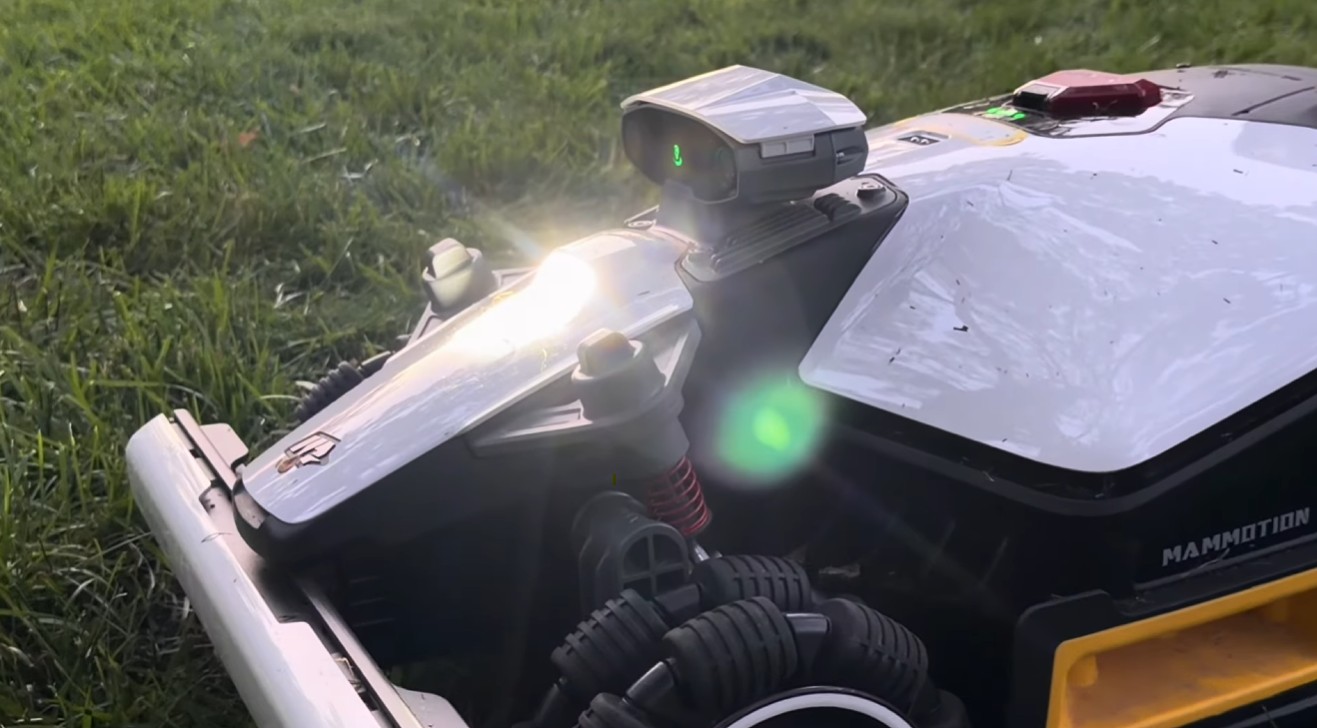
So — should yours mow at night?
Our honest take:
- If you want reliable overnight or pre-dawn mowing, you want a LiDAR mower (the LUBA 3). Vision-only robots will frustrate you in the dark.
- Mind the dew — aim for a finish as the dew burns off, not a soak-through at 3am.
- Mow responsibly — Wildlife Safety Mode or daylight-only if your yard backs to habitat; the hedgehog debate is European, but courtesy is universal.
- For many people, the sweet spot is early morning, not the middle of the night — same “wake up to a done lawn” payoff, less dew and less disruption.
Not sure which mower — or which schedule — fits your yard? That’s exactly what we sort out.
- 📍 Check my lawn — free — we’ll size the right mower and set a schedule that fits your grass, not a brochure.
- 🌙 Talk to a Mammotion dealer — if reliable night or under-canopy mowing is the goal, we’ll dial in a LiDAR LUBA 3.
Frequently asked
Can a robot mower mow at night?
Some can — but most struggle. Vision-based robot mowers rely on their cameras seeing the yard, so they slow down or get stuck in the dark. A LiDAR-based mower like the Mammotion LUBA 3 doesn't need light at all — it maps the world in 3D — so it mows reliably at night.
Is it bad to mow the lawn at night?
There are real trade-offs. Cutting into heavy overnight dew invites clumping and lawn disease, visibility is poor for you, and there are wildlife considerations. The fix is timing it well (finish before the dew is heaviest) and using features like Wildlife Safety Mode — or simply scheduling a very early-morning finish instead of a middle-of-the-night run.
Do robot mowers hurt wildlife at night?
It's a real debate — but mostly a European one, centered on hedgehogs, which don't live in North America. On US lawns the specific hedgehog risk doesn't apply, but responsible owners still avoid running through dense cover after dark and use Wildlife Safety Mode or daylight-only schedules where appropriate.
Why do most robot mowers fail in the dark but the LUBA 3 doesn't?
Most wire-free mowers lean on GPS/RTK (needs a clear sky) and camera vision (needs light). At night the cameras can't see. The LUBA 3's LiDAR maps the physical world with its own sensor — no light required — which is the same reason it also works under heavy tree cover.
Keep reading
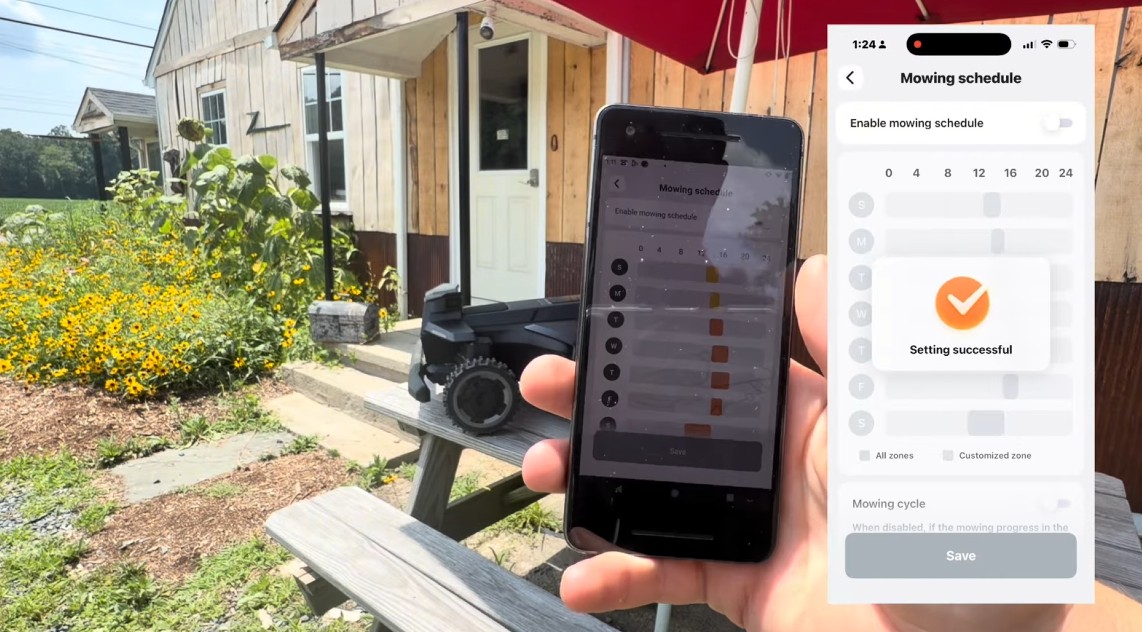 Tips & MaintenanceNavimow Scheduling Explained: End Times, Cycles & ZonesHow Navimow mowing schedules really work — the end-time trap, the Mowing Cycle toggle, the 90% battery rule, and how to build a zone-based weekly schedule.
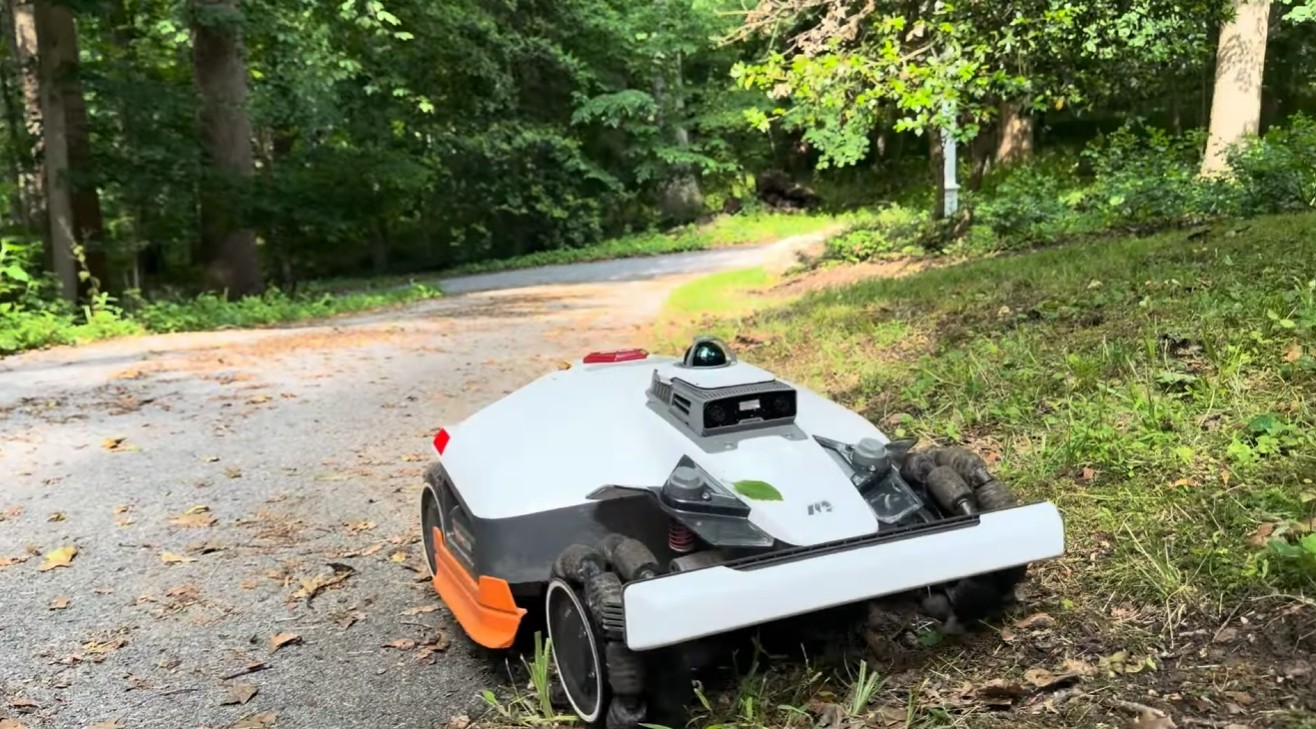 Buying guideBest Robot Mower for Wooded & Tree-Covered Yards (2026)Can a robot mower work under heavy tree cover? Why RTK fails under a canopy, and how the Mammotion LUBA 3's 360° LiDAR finally cracks shaded, wooded yards.
 Tips & Maintenance10 Creative Ways to Use Your Robot Mower (Beyond Mowing)Your robot mower is more than a mower — 10 hands-free ways to use it: low-cut pathways, no-mow pollinator zones, a putting green, drainage control and more.
Explore the system
The mowers and pages behind this topic — see them sized to your yard.