
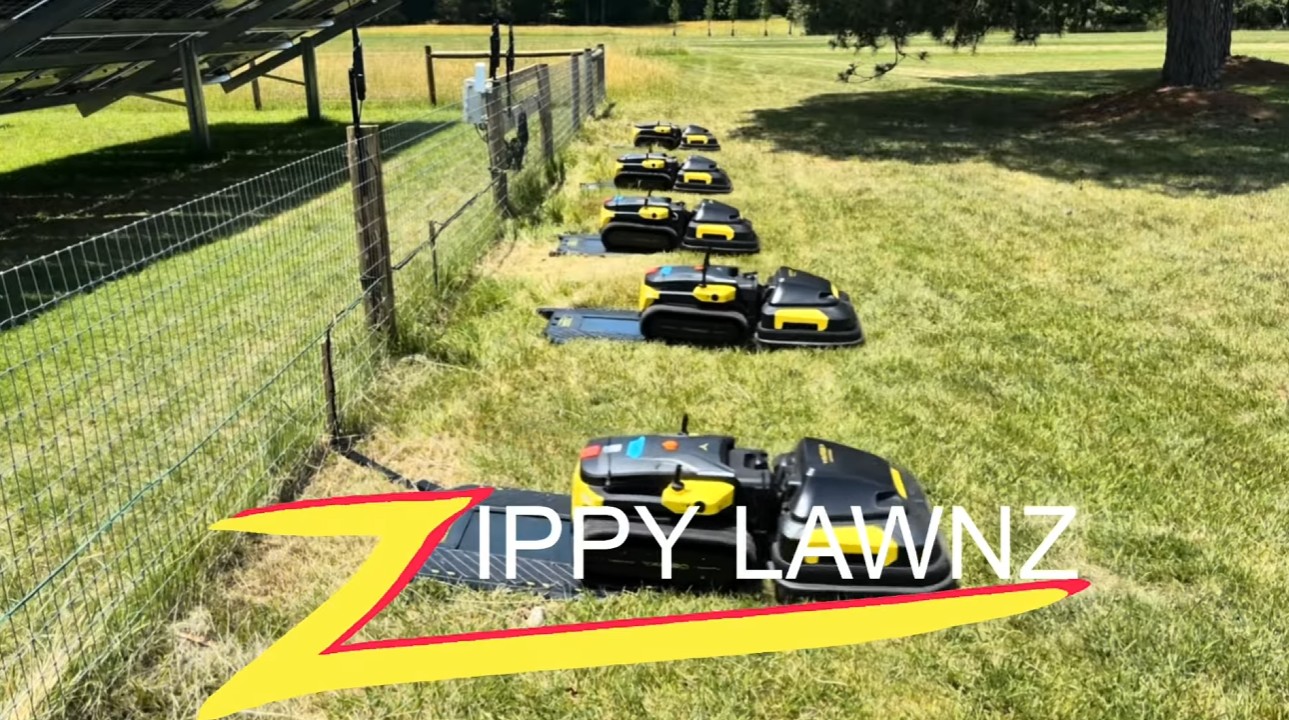
Match the machine to your lawn size
Bigger lawns need more working-area rating, battery and often multiple zones. Here's what actually keeps up on a large property.
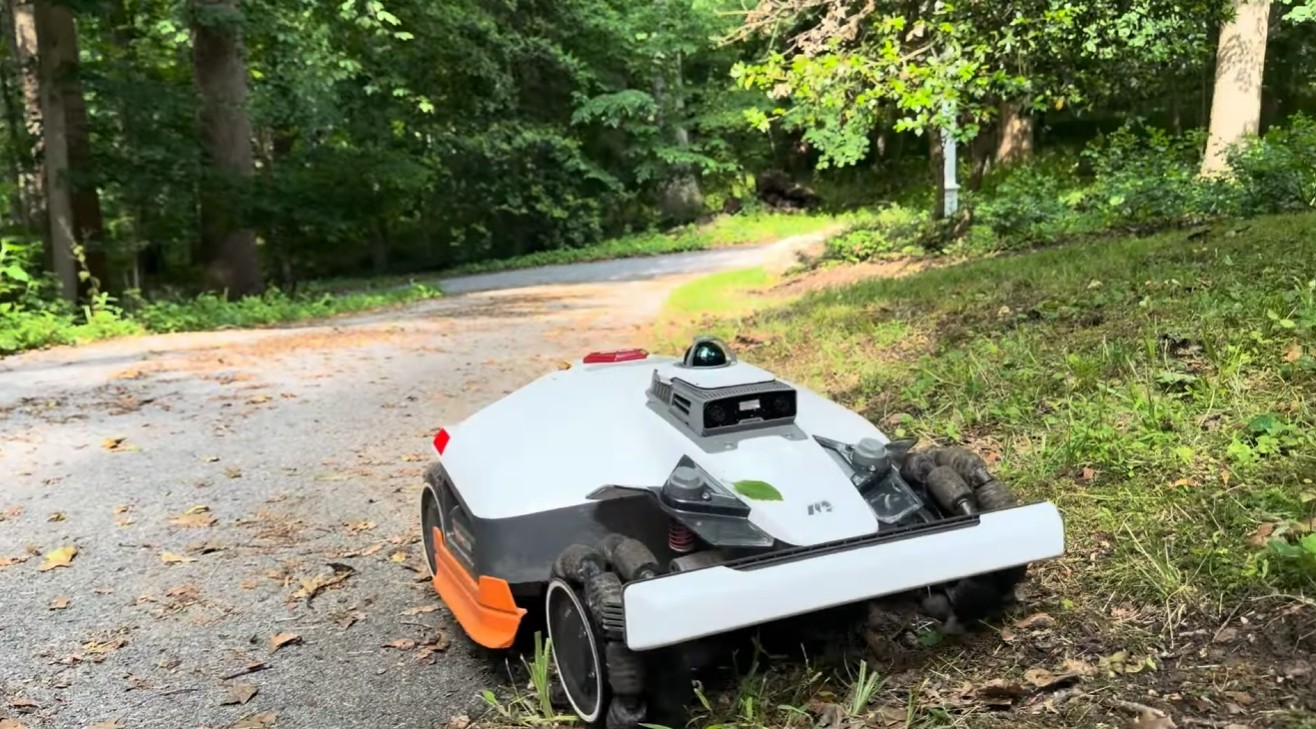
Tree cover changes everything
Satellite mowers fail under a canopy — this is where LiDAR earns its price. If your yard is shaded or wooded, start here.
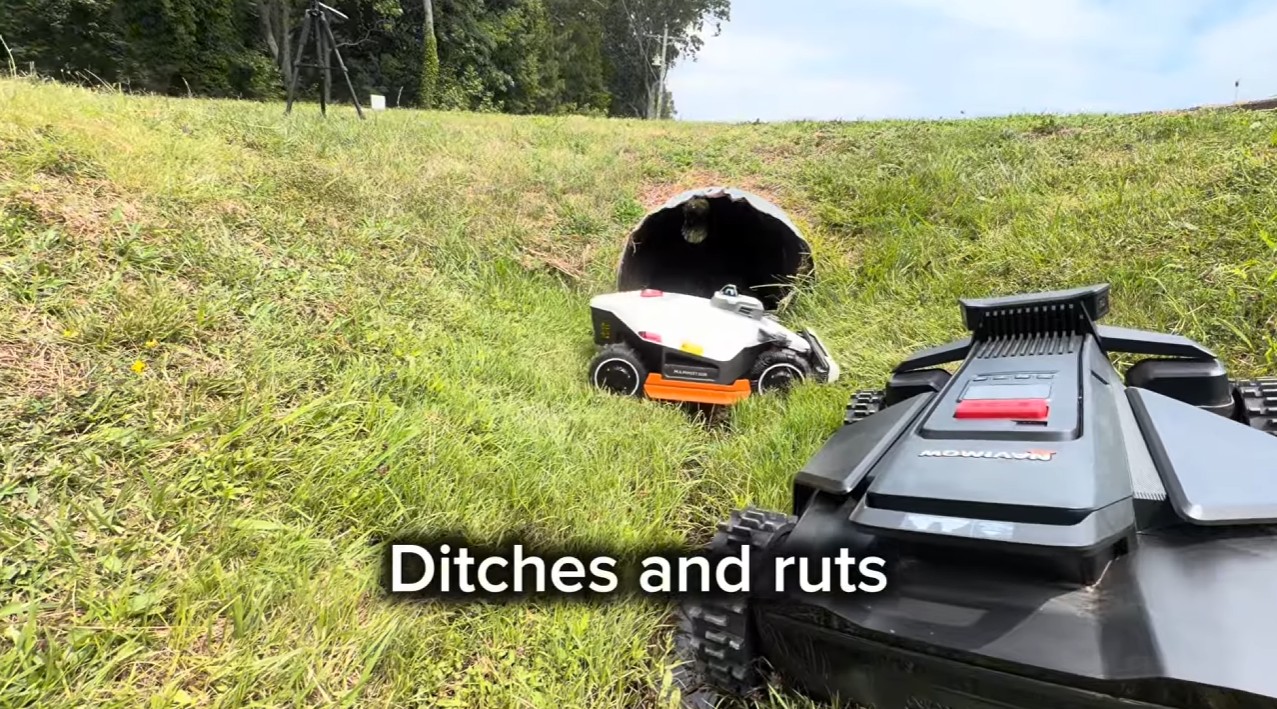
See two top mowers head-to-head
Specs side by side, mow times and where each one wins — so you can see which actually fits before you spend a dollar.
Know the real running cost
Electricity, battery life and total cost of ownership. The numbers are smaller than you think — and they usually beat a weekly service within a few years.
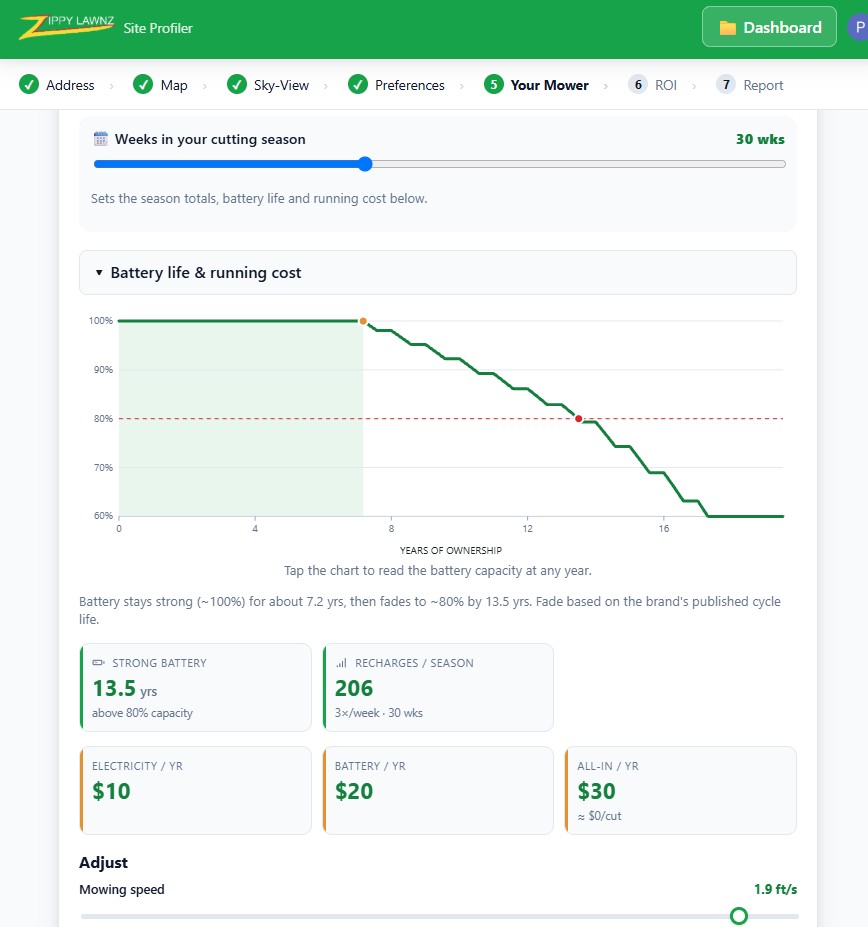 Buying Guides How Much Does a Robot Mower Cost to Run? Robot mowers sip electricity — most cost a few dollars a month to run. Here's the real math on kWh, your rate, battery life and total cost of ownership. Read the guide →
 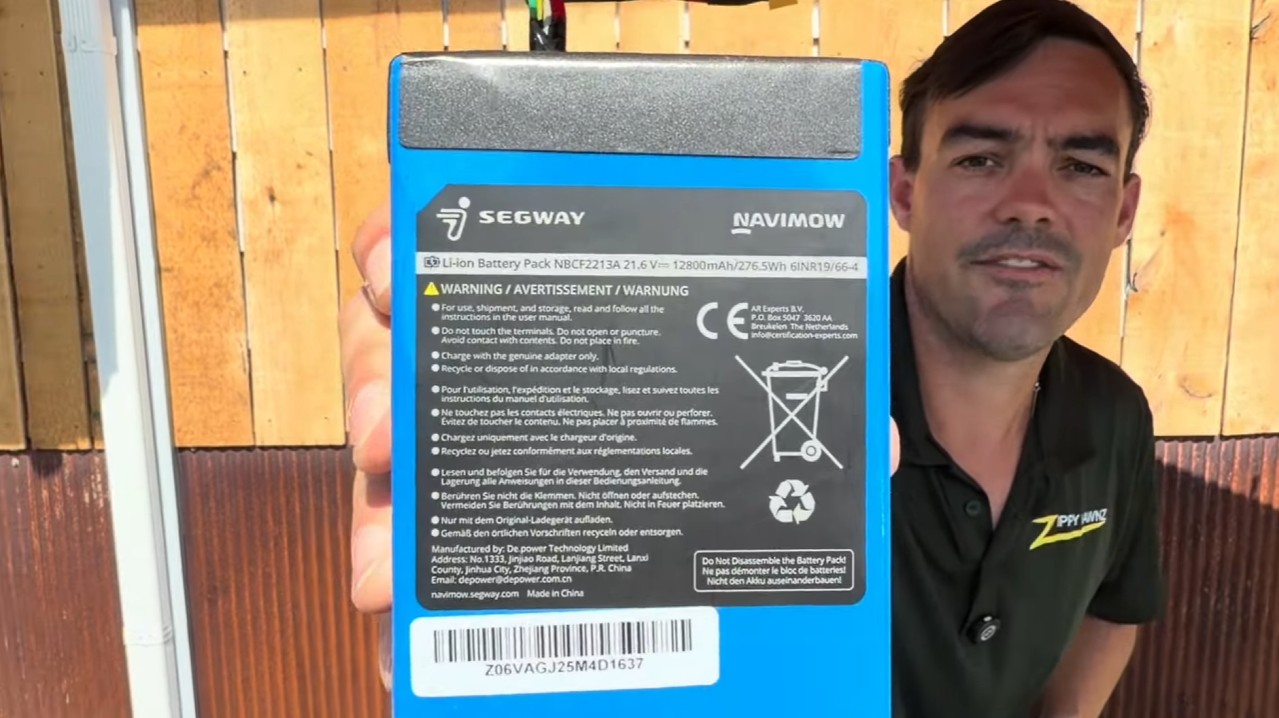 Buying Guides How Long Does a Robot Mower Battery Last? We Ran the Numbers A robot mower's lithium battery can outlast the mower on a small lawn — or fade in about 5 years on a big one. Here's the real cycle math, by lawn size. Read the guide →
 Explore the system
Frequently asked
How do I know what size robot mower I need?
Match the mower's working-area rating to your real mowable square footage (the grass only — minus house, beds and driveway). Big open lawns want a high-capacity machine or a fleet; most suburban yards are covered by a mid-size model. Our free lawn check measures it from satellite.
Which robot mower is best for a yard with lots of trees?
A LiDAR mower — the Mammotion LUBA 3. Satellite/RTK mowers need a clear view of the sky, which a canopy blocks, so they drift or stop. LiDAR maps the physical world instead and keeps mowing under cover. See the wooded-yards pick guide above.
Are robot mowers expensive to run?
No — most cost only a few dollars a month in electricity, and the battery often outlasts the mower on a small lawn. Over a few years they typically beat a weekly lawn service. The cost and battery guides above run the full math.